Fusion among Japan's 17 strategic fields: the investment and support conditions companies need to understand
Fusion energy is one of the government's 17 strategic fields. This guide separates the July public-private investment roadmap's estimates, individual budgets, development assessments and application conditions to clarify what companies should check before entering the sector.
Read the Japanese originalAnnouncement date:2026-07-21
Fusion energy is among the government's 17 strategic fields for promoting public-private investment. Its designation matters because it identifies fusion research as a route to building domestic industry and winning overseas markets. However, selection of a field does not mean an individual company will receive funding. The public-private investment roadmap adopted in July 2026 provides a starting point for examining the conditions prospective entrants should check.
Designation among the 17 fields establishes an investment pathway
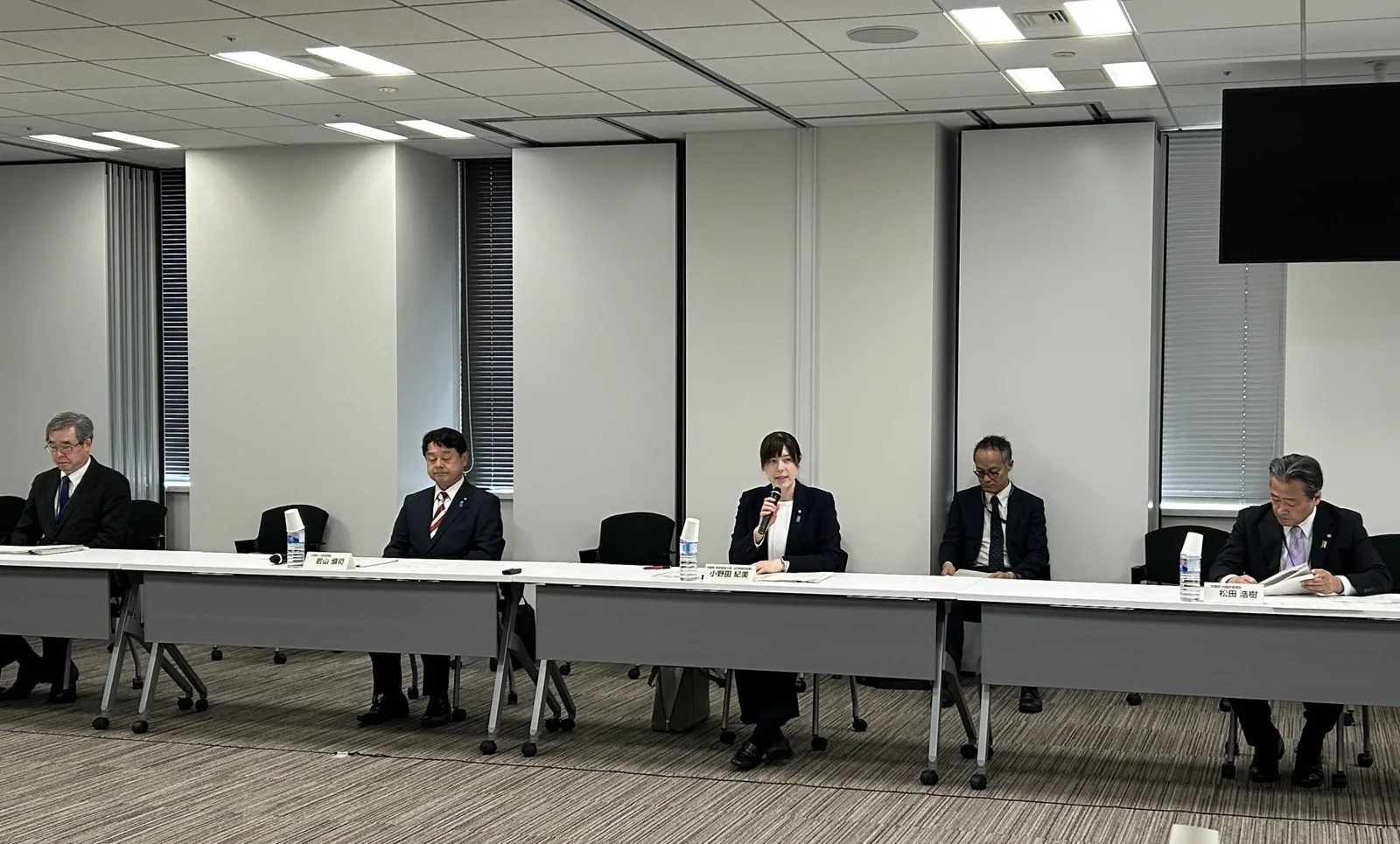
The Japan Growth Strategy Headquarters began work on November 4, 2025. At her November 11 press conference, science and technology policy minister Onoda explained that fusion energy was included among the 17 strategic fields and that preparation of a public-private investment roadmap covering investment content, timing and target amounts had been instructed. The press conference
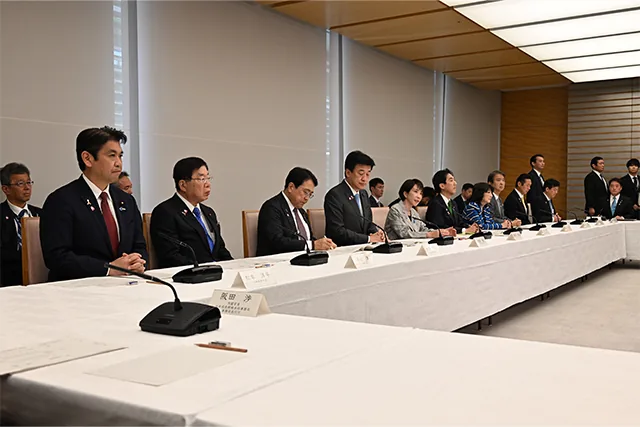
The Headquarters subsequently adopted the roadmap on July 21, 2026. For fusion, it targets a power-generation demonstration in the 2030s and overseas markets for power-generation systems and major equipment. Work has already moved from designation toward concrete investment planning. Companies therefore need to examine individual programs and implementation conditions, not simply the list of fields. Public-private investment roadmap, provisional translation published by the Cabinet Office
The roadmap organizes public and private investment, technology development and policy action over time. It gives companies a shared basis for explaining medium- and long-term development plans. It is not, however, a government certification of a particular company's technical performance or commercial success.
Read public-private investment estimates separately from individual budgets
The fusion roadmap estimates investment of JPY 3.1 trillion through fiscal 2040, with a note assuming one power-generation demonstration plant. This anticipates public and private research, development and demonstration investment. It does not mean that the entire amount has been secured as government grants for distribution to companies.
For an individual program, METI's February 12, 2026 document lists JPY 20 billion in the fiscal 2025 supplementary budget for the fusion power-generation demonstration promotion program, or JPY 60 billion including multi-year government commitments. Such commitments concern expenditure across multiple fiscal years and are not the same as spending in a single year. The document's expectation of support on the scale of JPY 100 billion over five years depends on achievement of development milestones. METI's explanation of the program and budget
These figures have different periods and scopes. Adding them together as market size, or mechanically deriving a company's revenue from JPY 3.1 trillion, would be inappropriate. Business plans should distinguish policy-level investment expectations, total program budgets and financing for the company's own project.
Selection of the field and assessment of development plans are separate
Inclusion among the 17 fields does not choose a single reactor approach or recipient of support. Documents for the Cabinet Office's August 10, 2026 process review committee propose considering technological progress, market potential, organizational readiness and overseas developments when determining which power-generation systems to support for early demonstrations. Evaluation methods and required technical levels are also listed as issues for discussion. Next steps toward power-generation demonstrations
The practical implication is that a proposal should not stop at alignment with policy. What will be demonstrated, by when, and under which test conditions? How will the required people and funding be secured? Companies need to explain how knowledge from research machines will become usable results in the next development stage. A power-generation demonstration in the 2030s is a policy target, not an achieved result or a guarantee of commercial operation.
Check four conditions before deciding to enter
The following are the editorial team's suggested checks for connecting public support with a business plan.
- Your role: distinguish the organization conducting research and development, the operator of a support program and a supplier to a selected company.
- Scope and deadlines: read the solicitation's eligible costs, support rate, project period and eligibility rules, and verify whether applications are open or closed.
- Assessment and payment: do not treat selection, a grant decision, verification of results and actual receipt of funds as the same milestone; allow for the company's contribution and bridging finance.
- Use of the results: before applying, identify the technology and test data the company can retain and how these could serve its next customers.
Designation among the 17 fields makes it easier to explain why a company should pursue development. But a sound entry decision rests on specific customers, technologies to validate and funding conditions. Alongside the large policy figures, breaking the plan down into what the company will verify and deliver over the next year offers a practical starting point for commercialization.

- Cabinet Office: Minister Onoda's press conference (November 11, 2025; 17 fields and roadmap instructions)
- Cabinet Office: key products and technologies in the 17 strategic fields (June 24, 2026; full list)
- Cabinet Office: provisional translation of the fusion public-private investment roadmap (Headquarters decision July 21, 2026)
- METI: efforts toward realizing fusion energy (Working Group document 2-3, February 12, 2026)
- Cabinet Office: consideration of next steps toward power-generation demonstrations (process review committee document 1-1, August 10, 2026)
- Cabinet Office: Minister Kiuchi's press conference (November 4, 2025; launch of the Japan Growth Strategy Headquarters)
Information checked as of:2026-10-11
Fusion energy was identified as one of the 17 strategic fields in a November 2025 government press conference, and the public-private investment roadmap was adopted July 21, 2026. JPY 3.1 trillion is an estimate through fiscal 2040 assuming one demonstration plant. JPY 20 billion, or JPY 60 billion including multi-year commitments, concerns the fiscal 2025 supplementary budget; JPY 100 billion over five years is prospective milestone-dependent support. These are different figures. Assessment methods were under discussion on August 10; designation does not guarantee selection, grants or demonstration success.