Which companies offer fusion careers? From Japanese startups to equipment manufacturers
Reactor development, equipment supply and plant construction involve different employers. Choose through products and duties, not company names alone.
Read the Japanese original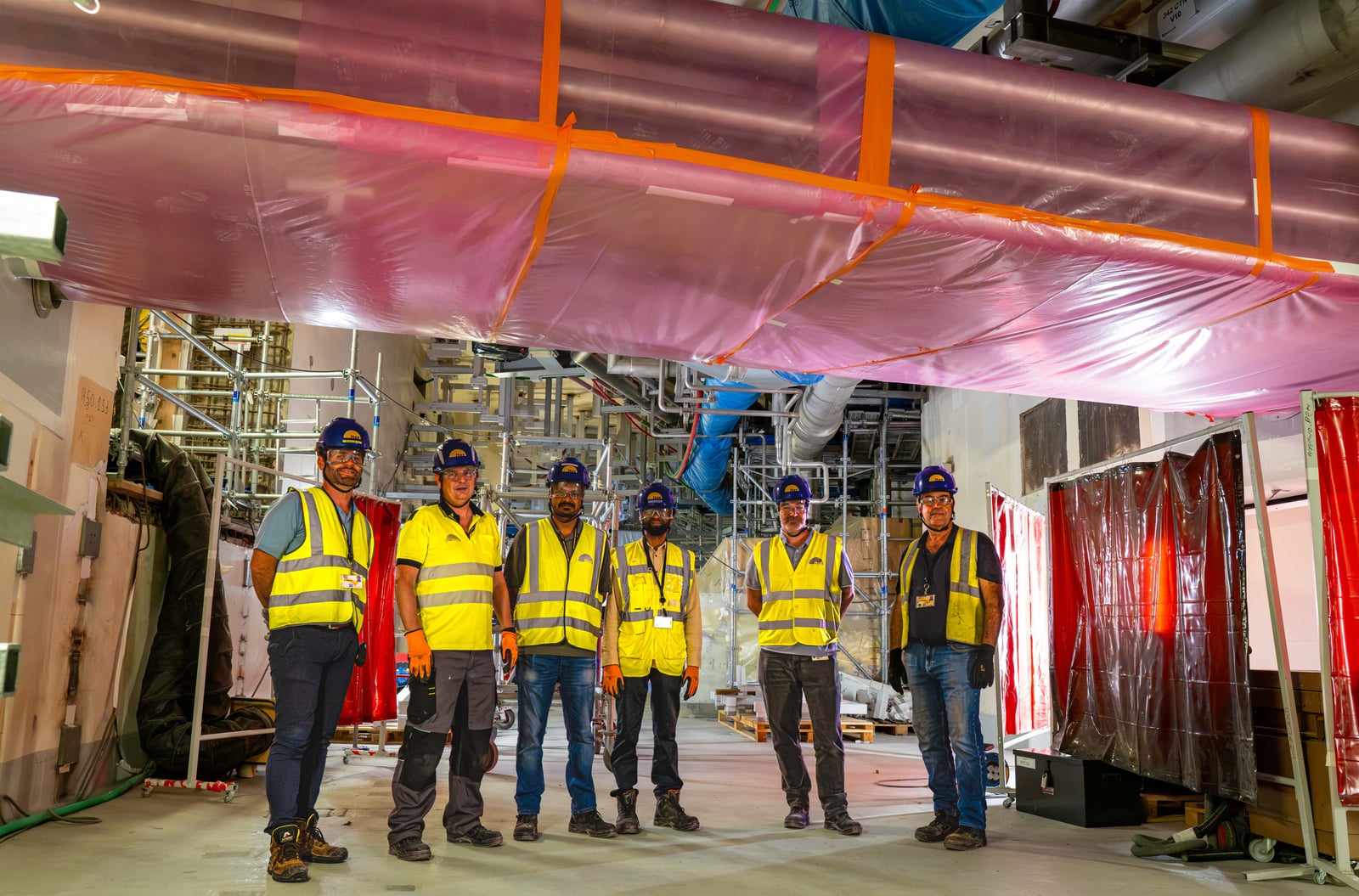
Searching only for fusion reactor developers can overlook potential employers. Reactor integrators, suppliers of heating or fuel-cycle systems, and manufacturers with decades of large-equipment experience offer different work even within the same specialty. Map employers by their business role.
Choose dedicated Japanese companies by their core business
Kyoto Fusioneering works on fusion engineering equipment, systems and plant technology. Its careers information lists plant design, procurement, business development, intellectual property, legal and corporate functions. It is worth investigating for people interested in handling heat and fuel around the central plasma machine.
Helical Fusion aims to develop a commercial helical reactor and describes roles in superconducting magnets, liquid-metal blankets, instrumentation and control, and project development. Look beyond the reactor approach to the equipment involved and which stages from design to testing a position covers.
EX-Fusion develops laser fusion and lists roles in optics, control and mechanics as well as fuel-target supply systems. Precisely directing lasers at fuel and repeatedly delivering fuel are distinct challenges. Automation and machinery experience can be relevant alongside optics.
NIF at the US Lawrence Livermore National Laboratory illustrates how a laser fusion research facility combines a large target chamber with many optical systems. NIF is not an EX-Fusion machine, but it can help make the technology and the objects your expertise would address more concrete.

At major manufacturers, examine the division and product
Toshiba is involved in ITER superconducting coils and remote-handling equipment, while Mitsubishi Heavy Industries works on coils and divertor components. A divertor receives heat and particles leaving the plasma. Toshiba's fusion business
These employers offer manufacturing and design foundations extending beyond fusion. Experience in materials, welding, precision machining, electrical work or mechanical design may connect with both established businesses and fusion. A company's fusion participation does not guarantee assignment to that division after joining.
Read the role title, business division, product and workplace together. Follow business-specific routes such as MHI's vacancy list, distinguishing an explicitly fusion role from a possible future assignment.
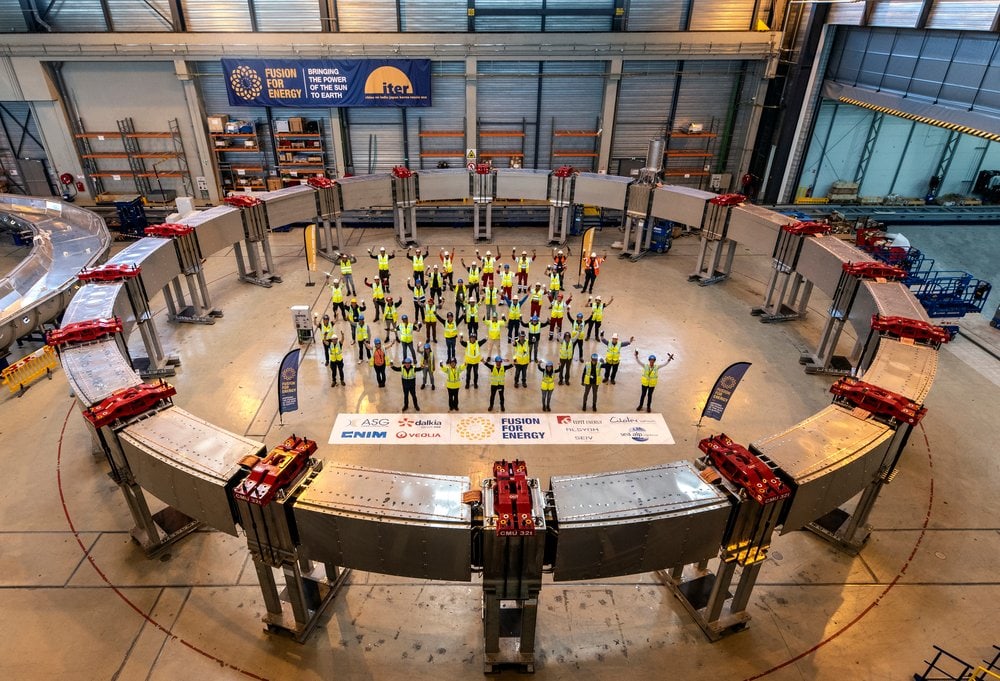
Several European companies also participated in manufacturing ITER's poloidal field coils. The photograph shows Europe's PF3, a different component from Japanese companies' toroidal field coils. Behind major machines are employers providing testing equipment and manufacturing as well as overall design. European PF coil manufacturing
Consider overseas companies and project-support businesses
Overseas employers such as US-based Commonwealth Fusion Systems (CFS) and TAE Technologies have recruitment channels. Overseas work need not mean research alone, but available roles, workplaces, work authorization and language requirements differ by vacancy.
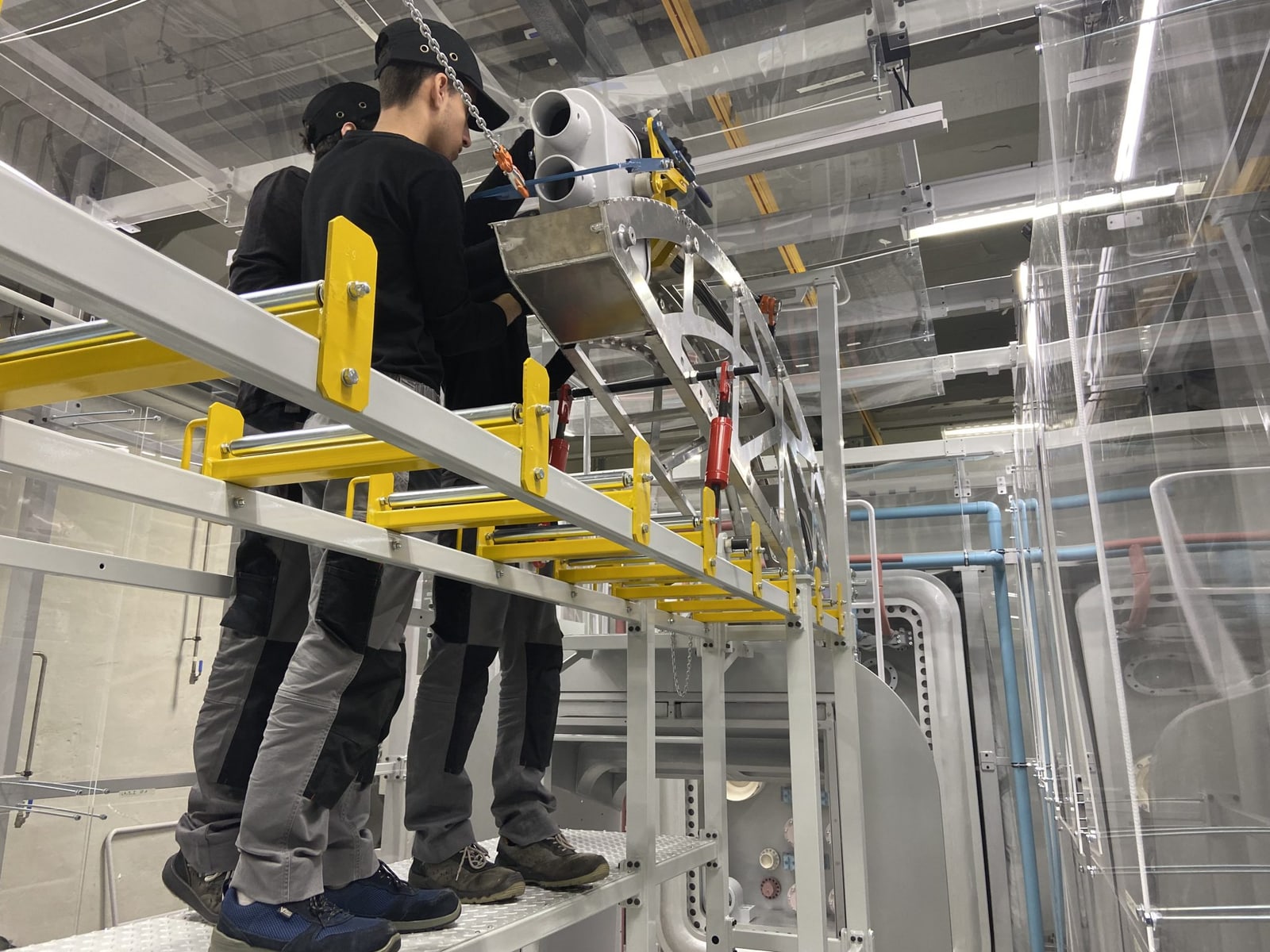
Engineering companies involved in large-equipment construction also deserve attention. F4E, the ITER Organization, IDOM and others collaborated on diagnostic cable installation. The full-scale mock-up pictured illustrates turning a design into something assemblable on site. Industrial equipment companies, not only fusion specialists, can offer routes into research projects. Example of installation technology development
Choose three companies and compare the same function
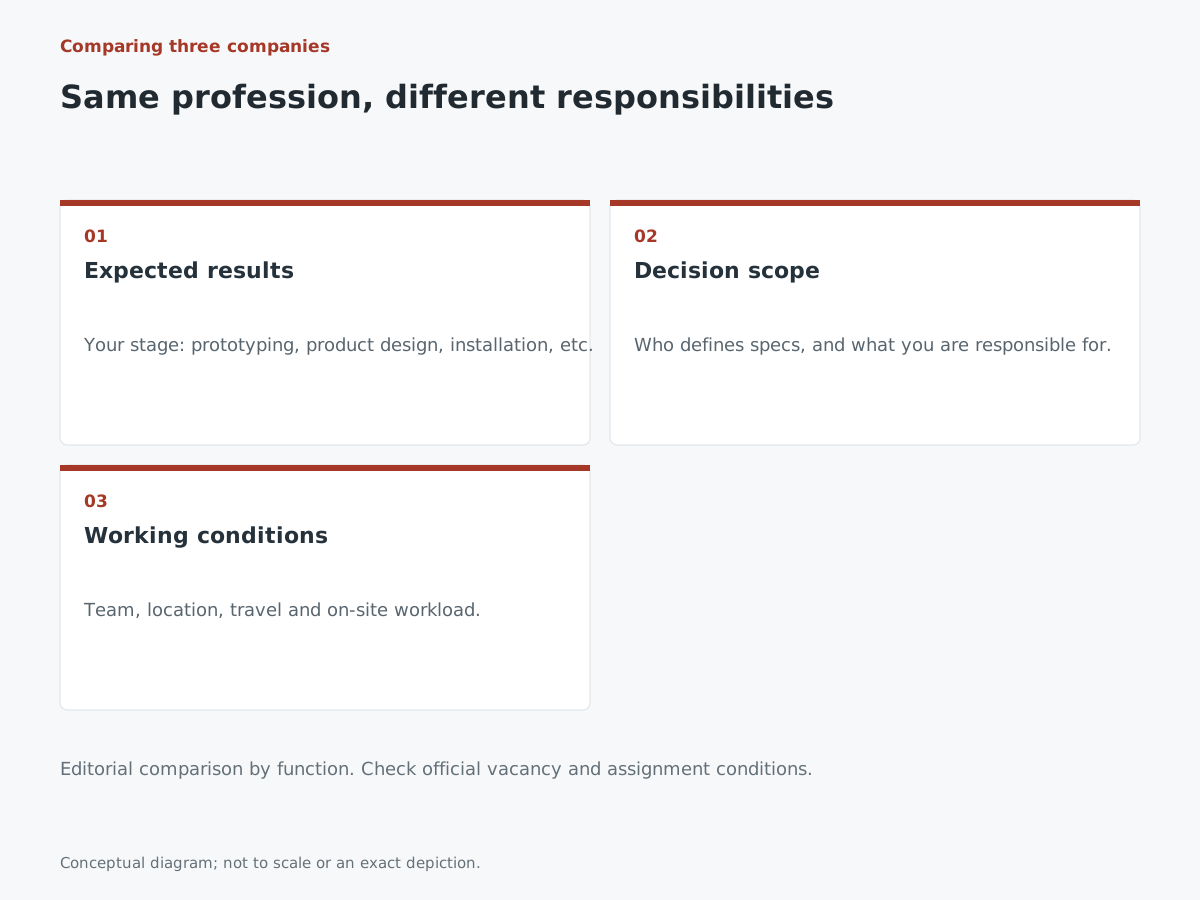
Once the candidate list broadens, compare vacancies for the same function at three companies of interest. In mechanical design, distinguish research prototyping, product design and on-site installation. For business roles, identify whether the work is new customer development, partnerships or management of existing projects.
Company momentum is not the only comparison. Consider outcomes expected after six months, who defines your responsibilities, expertise missing internally and the amount of travel or site work. Listings change, so reread official requirements immediately before applying. Turning enthusiasm for fusion into a concrete choice of work supports a more satisfying career move.
- Kyoto Fusioneering
- Helical Fusion
- EX-Fusion
- Mitsubishi Heavy Industries
- Toshiba fusion business
- MHI vacancy list
- European PF coil manufacturing
- Commonwealth Fusion Systems (CFS)
- TAE Technologies
- Example of installation technology development
- ITER microwave transmission components (photograph source)
- NIF target chamber (photograph source)
Information checked as of:2026-10-10
Career explainer based on official organizational and recruitment information as of October 10, 2026. Not a report of newly created jobs, hiring decisions or guaranteed employment. Conditions vary by vacancy.