What do non-researchers do in fusion? Administration, planning and business development
Fusion also needs administration, procurement, legal work, business development and project management. Official QST, NIFS and company information helps distinguish role requirements and translate experience from other industries into applications.
Read the Japanese original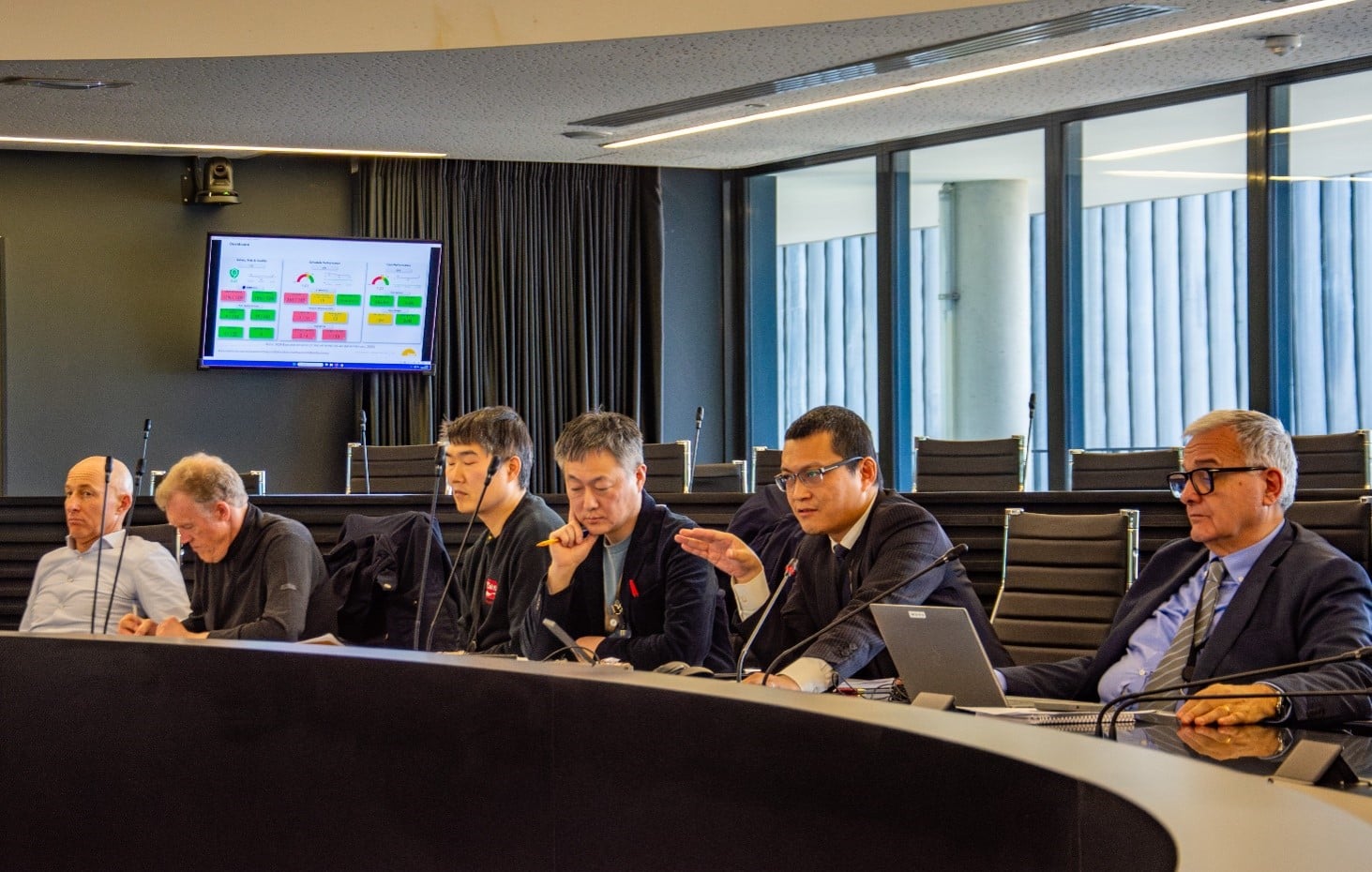
Fusion work is not limited to research. QST has administrative roles in general affairs, human resources, accounting and contracting, while private companies advertise business development and project management. Existing experience may be relevant, but non-research roles are not open to everyone regardless of background. Required experience, degrees and responsibilities vary by role.
This guide helps connect your experience with work before searching for vacancies. Role descriptions and historical calls are not guarantees of current openings. Before applying, check the official requirements linked here for current status and conditions.
Some roles prioritize experience; others require a degree
Both “fusion requires a doctorate” and “administration needs no expertise” are too crude for choosing a role. Compare duties and essential requirements before organization names.
- Administration and management: check duties, recruitment category, location and transfer scope. Joining a research organization does not guarantee assignment to fusion.
- Business development and PMO: distinguish partnership development, schedule and budget management, and operational support. The same department name can require different experience.
- Specialist research support such as URAs: support funding acquisition and project operations. Some calls require a degree or equivalent experience, so distinguish them from general administration.
This classification helps narrow a search; it does not replace organizations' selection criteria.
QST administrators connect research workplaces with the organization
The National Institutes for Quantum Science and Technology's role introduction lists general affairs, human resources, accounting, contracts and research administration. It also describes communicating research results and connecting research with society.
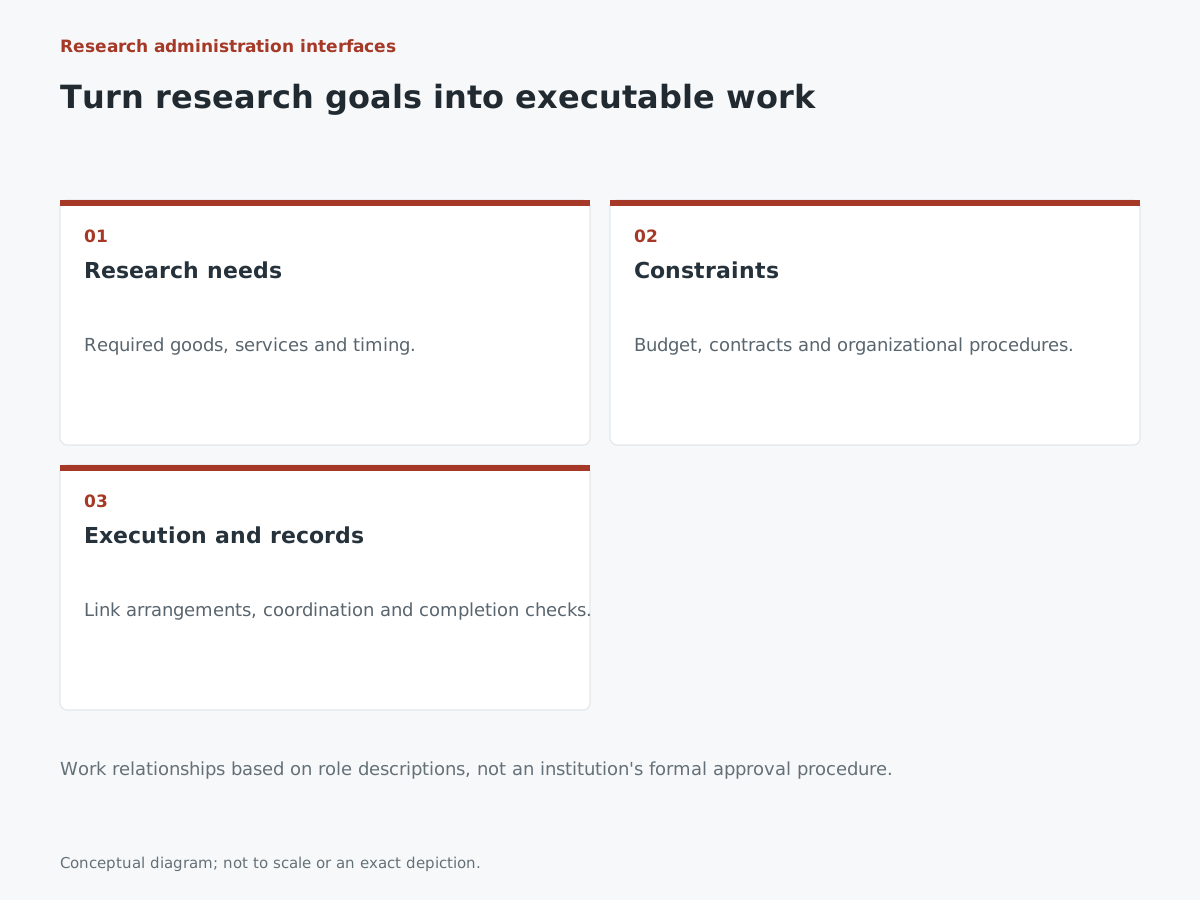
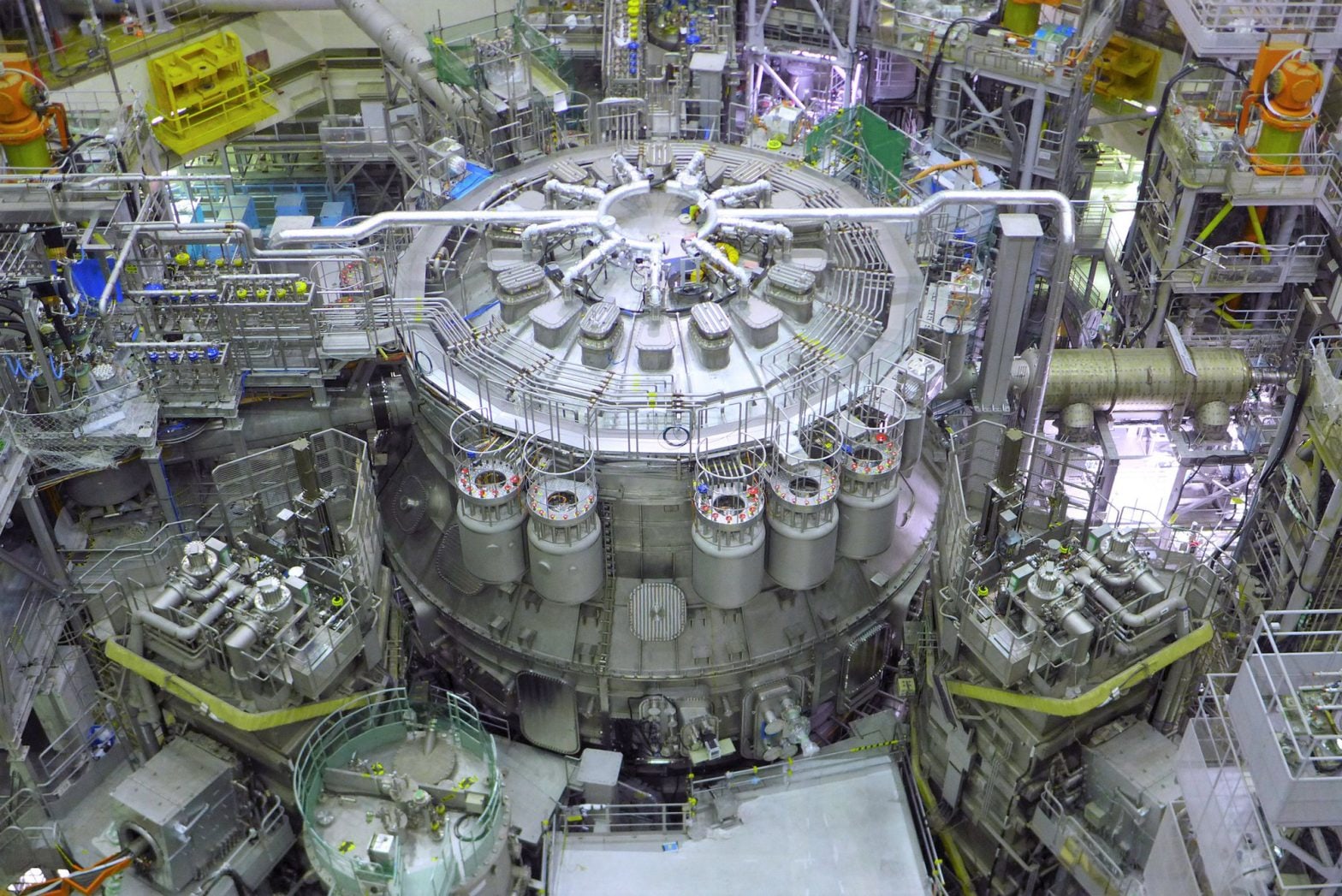
Organizations operating major equipment such as JT-60SA at Naka cannot function through researchers and engineers alone. Arranging goods and services, managing budgets and coordinating stakeholders support research. Consider whether experience in corporate administration or external coordination matches the actual work.
QST also describes administrative careers involving several sites. Assignments outside fusion are possible, so assess interest in the whole organization alongside location and transfer conditions. Interest in Naka does not mean placement there is guaranteed.
Research-support specialists also secure funding and partnerships
NIFS research administrators, or URAs, provide an example. The June 30, 2026 call for URA recruitment category B lists external funding acquisition and research project operations. Its requirement for a doctorate or equivalent practical experience and achievements makes it distinct from general administration. This is an example for understanding the work, not a guarantee applications remain open.
Even rolling recruitment ends when positions are filled. A PDF remaining in search results does not mean applications are currently accepted. Start with NIFS's recruitment list, then match the position name and category to its requirements. Check term, renewal conditions, workplace and essential qualifications before deciding to apply.
Such vacancies show the breadth of expertise research organizations need. International research such as LIPAc at QST Rokkasho also requires sustained collaboration among different specialists and institutions. Equipment knowledge and practical expertise in contracts, funding and partnerships are distinct strengths; developing the latter is another way to contribute.

Search separately for business development and corporate functions
Kyoto Fusioneering presents procurement, business development, legal and corporate functions among its recruitment fields. Helical Fusion also lists roles involving partnerships, project schedules and budgets, and business-development support.
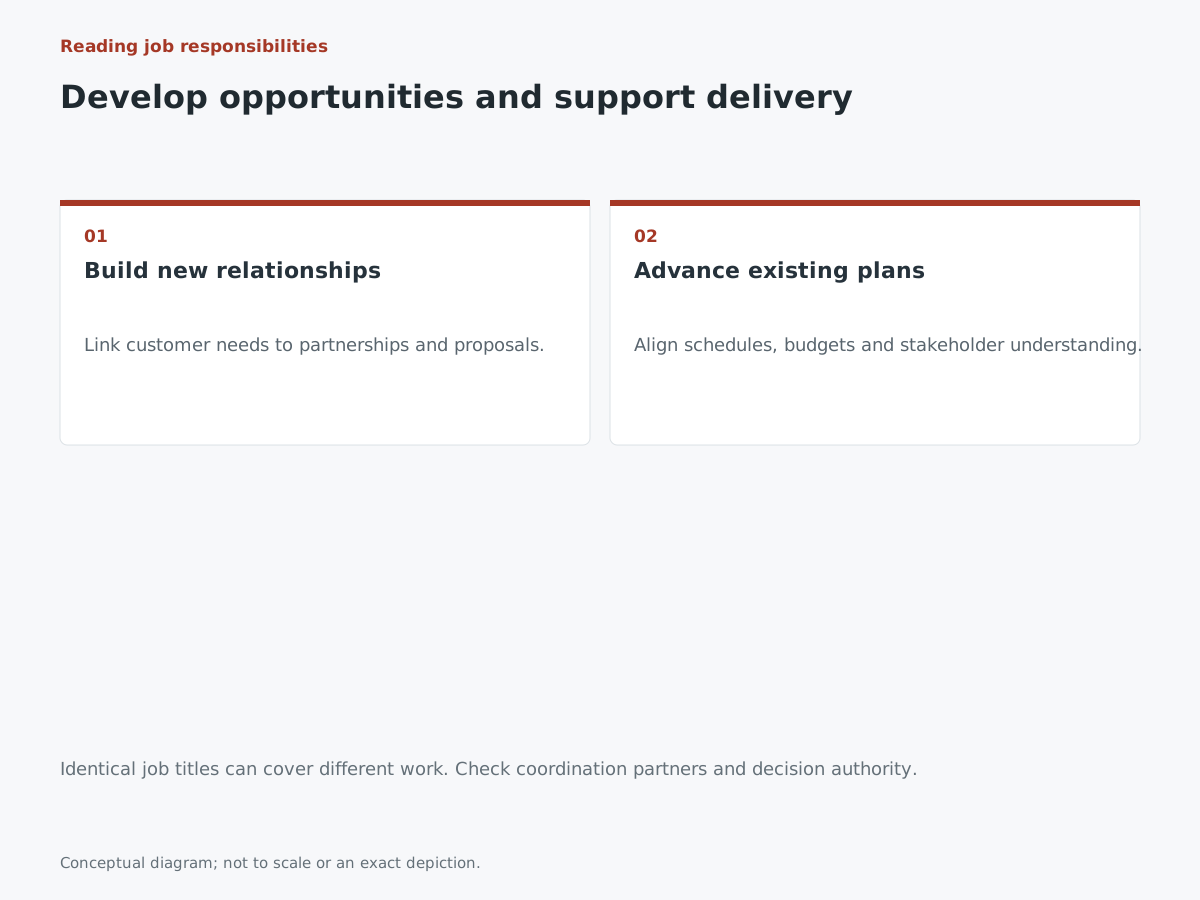
Even under the same “business development” title, finding customers and advancing an existing project require different experience. A PMO supports projects involving multiple people. Explaining how you resolved delays or misunderstandings communicates experience better than counting meetings held.
ITER's construction site and equipment deliveries involving institutions and companies illustrate the scale requiring such coordination. Project size does not guarantee an individual's authority or compensation, however. In job descriptions and interviews, ask whom you coordinate with and which decisions you make yourself.

Write demonstrable achievements rather than specialist vocabulary
Prepare experience in three forms: organizing stakeholder requirements and reaching agreement; completing work within deadlines, budgets and rules; and communicating complex information appropriately for the audience. Work outside fusion can still show concretely what you were responsible for and what resulted.
Then choose one machine or business at the target organization and explain where your professional function connects. Administrative work does not mean technology can be ignored. You need not research as deeply as a specialist, but willingness to learn colleagues' objectives and language matters.
Rather than expressing interest alone, explain how your experience could be used in a particular role. Begin with official role descriptions and find one entry point for your existing expertise.
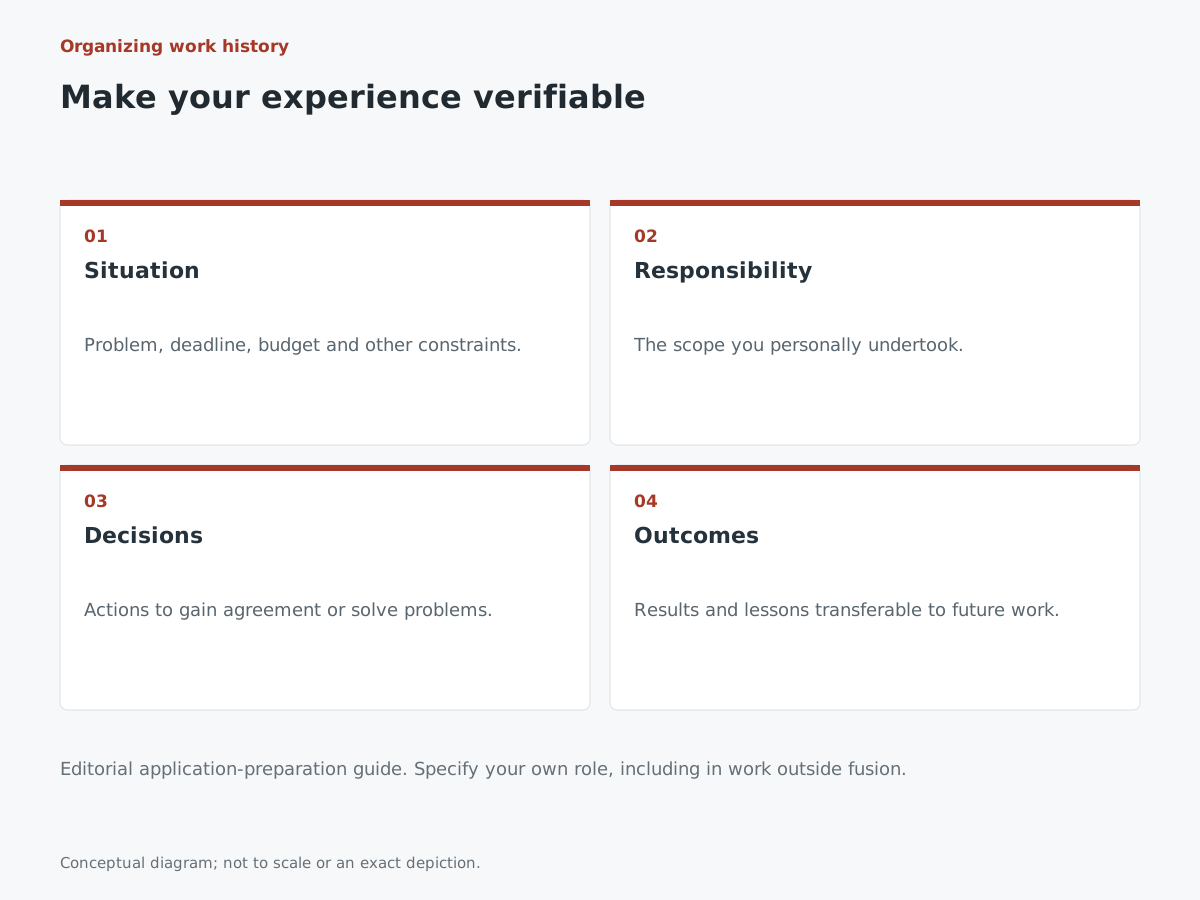
Connect one role with one achievement before applying
Instead of immediately listing many employers, pair the work assigned in one vacancy with achievements you can explain.
For schedule management, describe project scale, causes of delay, stakeholders coordinated and outcomes after changes. For contract management, specify contract types, division of work with other departments and your own decision-making scope. These are application-preparation examples, not templates for inventing results or responsibilities.
Finally, check gaps against essential requirements, workplace and transfers, term and employment type, and deadline. Explaining what work can be entrusted to you, not just how interested you are, makes non-research entry routes more concrete.
- Role introduction
- Recruitment requirements
- NIFS recruitment list
- Kyoto Fusioneering
- Helical Fusion
- JT-60SA (photograph source)
- LIPAc control room (photograph source)
- ITER port-plug assembly tool (photograph source)
Information checked as of:2026-10-10
Career explainer based on official organizational and recruitment information as of October 10, 2026. Not a report of newly created jobs, hiring decisions or guaranteed employment. Conditions vary by vacancy.