How fusion becomes an industry in the United States: three entry points connecting government, laboratories and companies
A guide to the respective roles of US policy, national laboratories and private companies, examining Milestone and INFUSE funding, international procurement for NSTX-U and CFS supplier registration as potential entry points for Japanese companies.
Read the Japanese original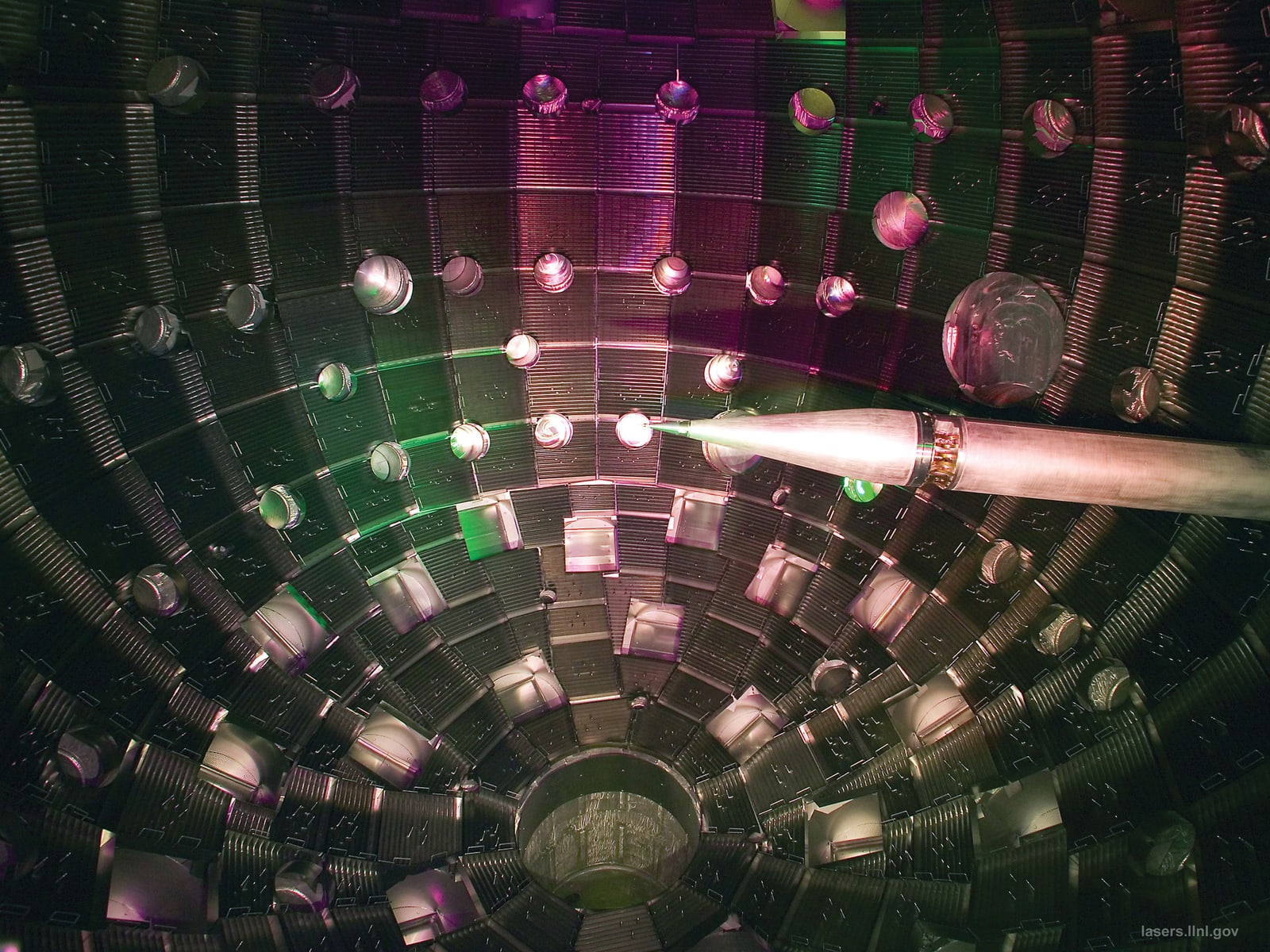
Understanding US fusion development takes more than tracking startup funding totals. Government builds the research foundation, national laboratories and universities tackle difficult problems, and private companies assemble power plants and supply chains. This division of roles offers clues for Japanese companies seeking a way into the sector.
US strategy connects research infrastructure with private development
The US Department of Energy's (DOE) Office of Fusion coordinates fusion policy within and beyond the department. Meanwhile, Fusion Energy Sciences (FES), within the Office of Science, is responsible for fundamental science, associated technologies and research facilities. Rather than government and business doing the same job, public research capabilities support challenges that companies would struggle to bear alone.
The Fusion Science and Technology Roadmap, published in June 2026, covers structural materials, plasma-material interactions, confinement approaches, fuel cycles, blankets and plant integration. A blanket extracts neutron energy from the reactor as heat and also plays a role in producing fuel. Making a power plant work requires these surrounding technologies as well as plasma performance.
The pathway toward the mid-2030s is a policy goal, not a promise that electricity generation will begin then. The roadmap itself does not commit a particular amount of spending, and future funding depends on congressional appropriations. An entry strategy should not equate a target year with the timing of procurement.
Milestone and INFUSE channel funding differently
One mechanism supporting private development is the Milestone-Based Fusion Development Program. A milestone is a predefined achievement in design or technology. DOE's March 27, 2026 announcement describes payments for milestones achieved under the program. A company's future plans are not automatically treated as completed results.
INFUSE is another mechanism, enabling companies to use the capabilities of national laboratories and universities. Companies lead proposals, but federal funds go to the laboratories or universities rather than directly to the companies. The company must contribute at least 20% of total project costs. A Japanese company would misplan its financing if it assumed commissioning US research meant receiving a grant itself.
According to the INFUSE FAQ, foreign companies themselves are ineligible, while US-registered, foreign-owned subsidiaries may participate subject to conditions. Requirements also apply to the principal investigator's affiliation, making it necessary to consult the actual solicitation. Eligibility for research collaboration should be assessed separately from eligibility to supply components to a private company.
National-laboratory upgrades also create industrial connections
US public research infrastructure includes large laser facilities as well as magnetic-confinement machines. LLNL's National Ignition Facility (NIF) achieved fusion ignition on December 5, 2022. The result produced more fusion energy than the laser energy reaching the target; it did not demonstrate electricity supplied to the grid exceeding the entire facility's electrical consumption. The lead photograph shows NIF's target chamber in 2006. LLNL's explanation of ignition
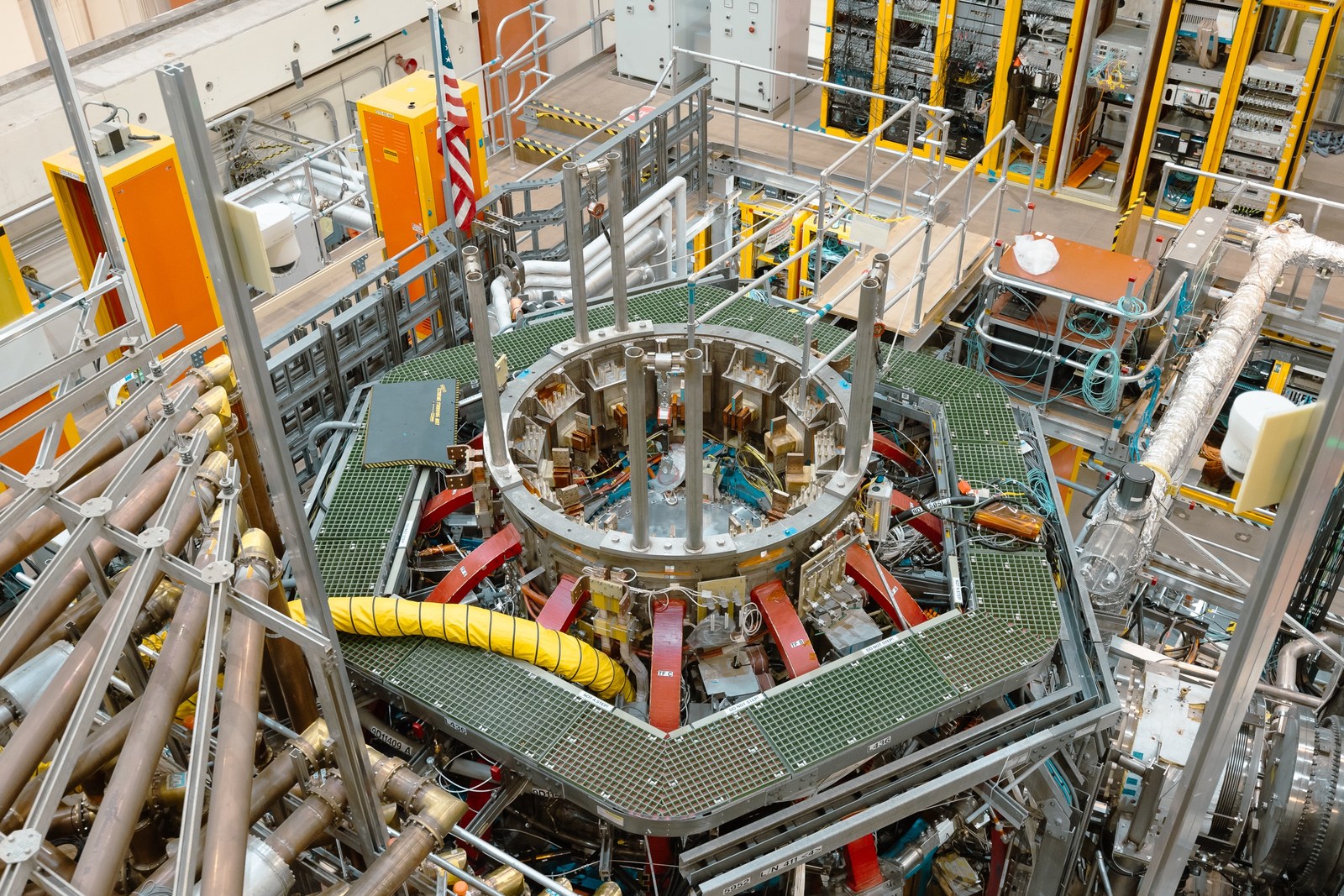
NSTX-U at the Princeton Plasma Physics Laboratory (PPPL) investigates the potential of the spherical tokamak; it is not a commercial power plant. PPPL's June 8, 2026 announcement stated that its central magnet bundle arrived on June 3. It was manufactured by Spain's Elytt Energy, providing a concrete example of international manufacturing and procurement connections within US research.
Delivery of a component and the start of machine operation are different stages. The announcement scheduled experiments for 2027, which cannot be treated as an achieved milestone. Suppliers need capabilities beyond the magnet's standalone performance, encompassing insulation, cooling, assembly, inspection and commissioning.
Materials and heat-management challenges extend beyond the reactor core
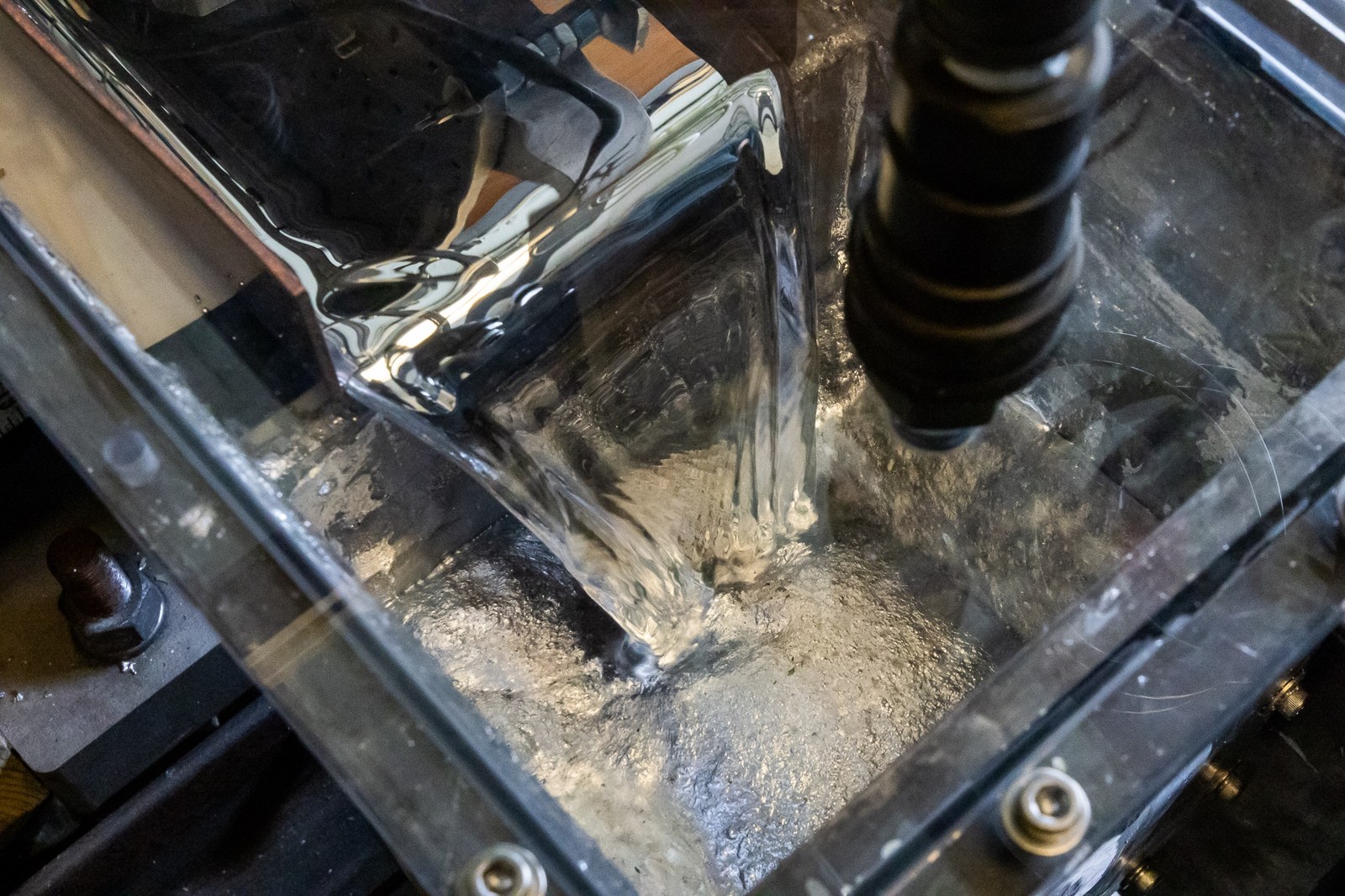
PPPL is also researching heat removal using liquid metals. Protecting the components that receive heat from the plasma affects operation and maintenance. Research facilities offer connections for materials, fluid engineering and measurement technologies, independently of the core confinement concept.
Japanese companies should distinguish where they apply from where they sell
NSTX-U also needs installation of casings that protect magnets from heat and connections to cooling pipes. Companies should distinguish the contacts for such laboratory equipment and processes from those for private-sector sales.
A concrete private-sector entry point is Commonwealth Fusion Systems (CFS), which publishes a supplier registration portal. After registration, the company may contact suppliers when an opportunity matches their expertise, evaluating financial health, quality systems, experience, technical capabilities and compliance. Registration alone does not make a company a supplier: qualification and success in bidding are required.
Business teams should first prepare a proposal explaining the processes they can undertake and the evidence supporting them, rather than a large revenue forecast for the entire fusion market. Leak testing for vacuum equipment, operating environments and test data for materials, or dimensional control and inspection records for precision manufacturing can provide the foundation. These are suggestions for sales preparation before discussing customer requirements, not assertions about the specifications of each program.
Will the company use a research-support program, supply a laboratory, or approach a private developer? Separating these three paths makes the next solicitation to read, the appropriate contact and the materials to prepare much clearer.
- DOE: Office of Fusion
- DOE: Fusion Science and Technology Roadmap (June 2026)
- DOE: scientific research support announcement (March 27, 2026)
- INFUSE: Frequently Asked Questions
- PPPL: delivery of the central magnet bundle (June 8, 2026)
- PPPL: For the Media and photograph-use conditions
- CFS: Become a supplier
- LLNL: Achieving fusion ignition
Information checked as of:2026-10-11
Country overview checked on October 11, 2026. Policy goals are distinguished from achieved results, and June equipment upgrades are described as announcements made at that time.