Kyoto Fusioneering to supply DIII-D divertor tiles for a shared negative-triangularity testbed
A new US–Japan collaboration combines joint design with supply of every tile for the planned divertor. Its value extends to shared experiments, but commercial component qualification remains ahead.
Read the Japanese original 日本語Announcement or event date:
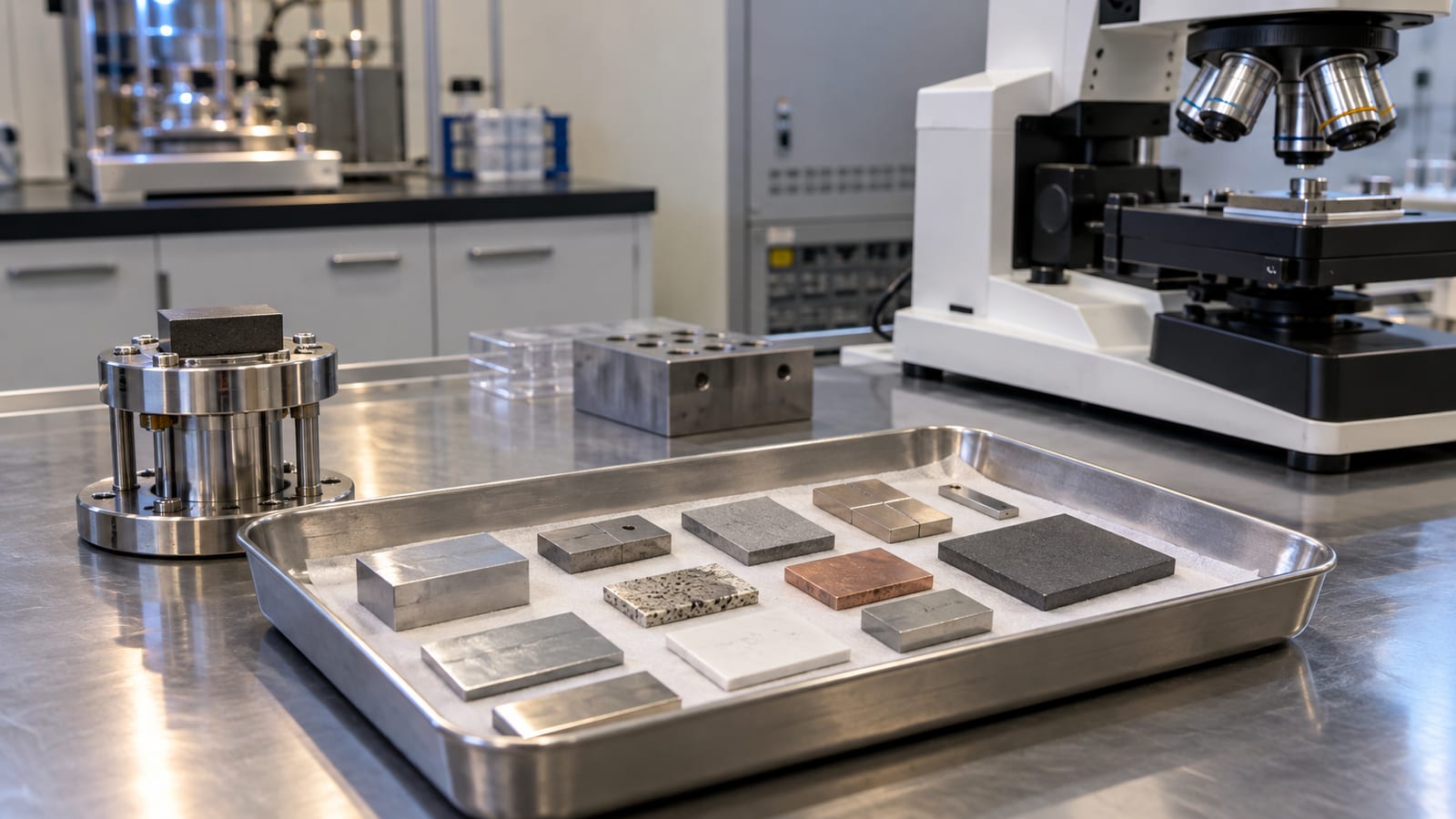
Kyoto Fusioneering (KF) will jointly design a new divertor for the DIII-D National Fusion Facility and manufacture and supply all the tiles needed for it. KF's October 8, 2026 announcement describes a contract with General Atomics, which operates the US Department of Energy facility. The project adds a specific hardware contribution to collaboration between a Japanese fusion-engineering company and a US research program. KF announcement.
The divertor handles particles and heat leaving the confined plasma. This upgrade is intended to help evaluate negative-triangularity operation, a plasma configuration attracting interest for future power plants. It is a development and installation project, not an announcement of electricity generation or completed commercial qualification.
Joint design before tile supply
KF says the project has received DOE approval and that the teams are advancing design, manufacture and installation. The announcement does not provide a contract value, tile count or completed-installation date. Experiments using the new equipment are planned after implementation.
For suppliers, the notable feature is participation before drawings are finalized. In our assessment, bringing fabrication expertise into design discussions can expose assembly and installation constraints earlier. That does not guarantee fewer problems, but it creates an opportunity to resolve questions between the facility operator and the manufacturer before hardware reaches the machine.
This is a useful way to read the Japanese industrial contribution: an engineering company is supplying a defined subsystem while participating in its development. It is neither an order for a whole power plant nor merely a research announcement without a hardware scope.
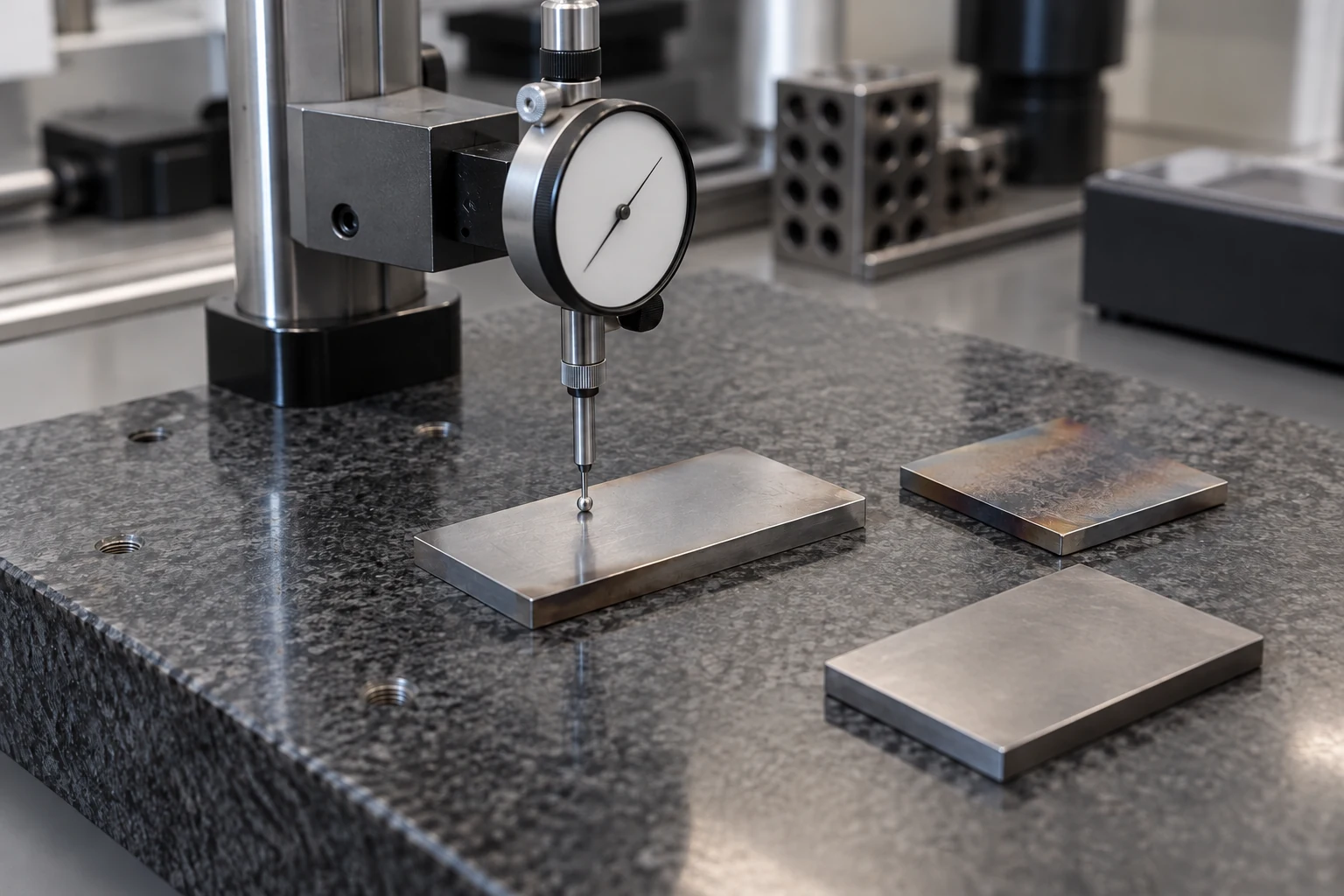
Matching exhaust hardware to plasma shape
Negative triangularity refers to a plasma cross-section shaped like a reversed D, compared with the more familiar positive-triangularity configuration. A 2024 DOE research summary describes evidence that this shaping can maintain strong plasma performance while avoiding edge-localized modes, bursts of energy that can damage plasma-facing surfaces. Those results concern plasma behavior under experimental conditions.
A 2025 DOE summary, drawing on DIII-D's 2023 experimental campaign and subsequent papers, reports high confinement together with divertor detachment and an instability-free edge. Detachment reduces the heat reaching divertor surfaces by cooling the plasma in the exhaust region. The central challenge is to protect the edge-facing hardware while preserving the hot, well-confined core.
Changing plasma shape does not by itself establish that a practical exhaust system will work. DIII-D's October 5 project announcement identifies evaluation with a commercially relevant divertor configuration as the gap this upgrade is intended to address. Earlier physics results and the new hardware program are successive steps, not interchangeable evidence.
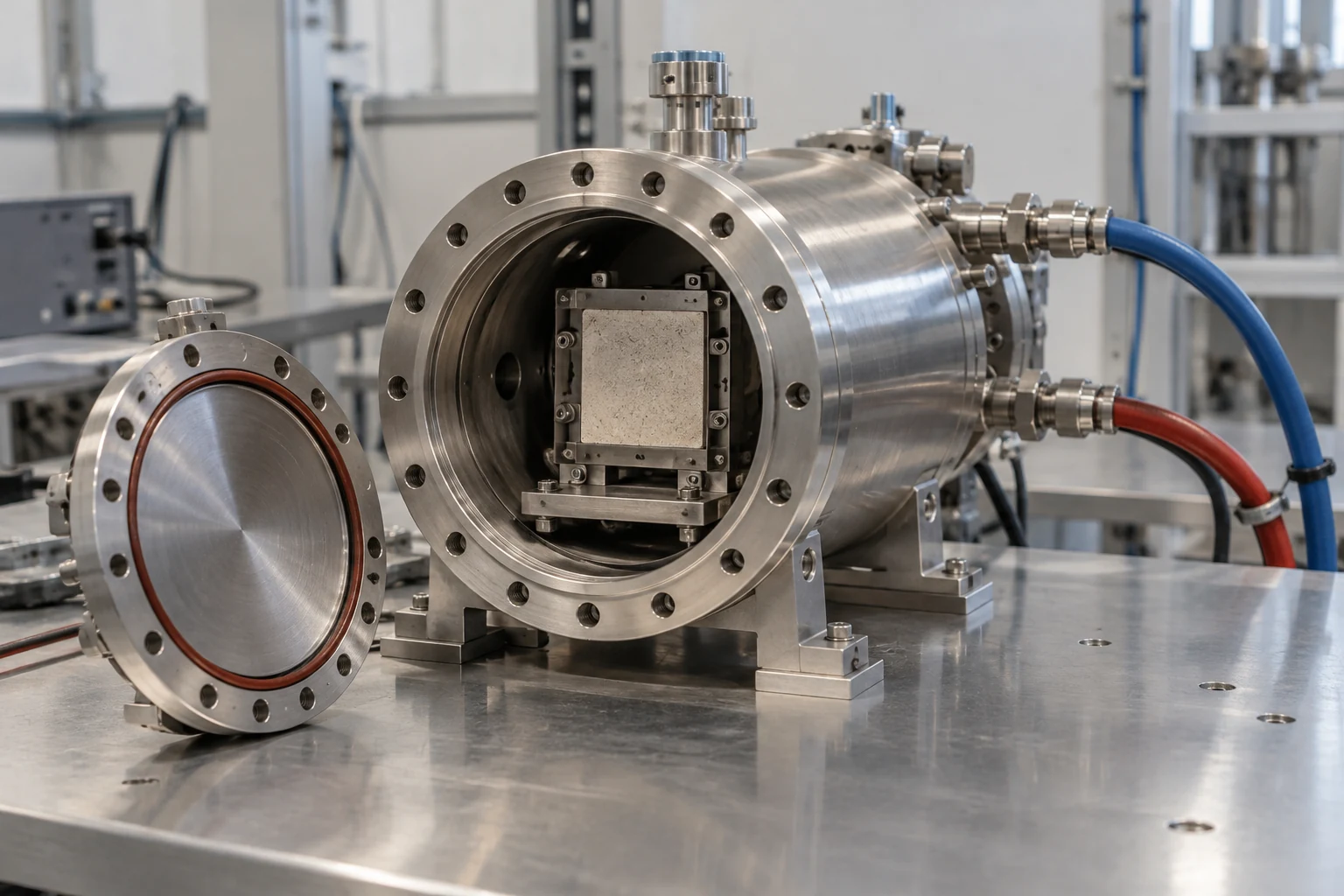
A supplier project becomes shared research capability
DIII-D describes a collaboration that combines KF's design and manufacturing capabilities with the facility's engineering and operating experience. After installation, KF and its partners at Columbia University are expected to work with the wider program on power exhaust, diagnostics, core-edge integration and loads on plasma-facing components.
The facility says data will be shared within the DIII-D program and that the new capability will be available to its participants. That creates potential value beyond the initial supplier relationship: a single hardware project can expand the experiments available to several developers.
The scope of sharing nevertheless matters. Program access is not equivalent to unconditional public access, and sharing experimental data does not establish that drawings, manufacturing know-how or commercial reuse rights will all be released. An organization considering participation should check which data it may use, what it may publish and what it may carry into a proprietary design. Those are due-diligence questions, not a description of undisclosed contract provisions.
Translating testbed experience into a customer's design
Operating experience at a research facility can inform product development. It does not remove the need to assess the differences between that testbed and a customer's reactor. The public announcements do not establish commercial tile lifetime or replacement cost.
Our assessment is that useful technology transfer requires documenting those differences. A changed heat-load distribution or pulse duration may alter the suitability of a material and geometry. Different supports or replacement routes can require changes to assembly and maintenance design even when the plasma-facing material remains the same.
For a component business, research-hardware delivery, modification after experiments and development for a future machine can be distinct deliverables. Keeping those stages separate makes both the technical evidence and the commercial scope easier to evaluate. The next milestones are installation and experimental results from the new divertor, followed by a clear account of which operating conditions those results can support.
Sources & verification
- Kyoto Fusioneering: new divertor development project at DIII-D (October 8, 2026)
- DIII-D National Fusion Facility: Negative Triangularity Divertor (October 5, 2026)
- US DOE: Inverting Fusion Plasmas Improves Performance (2024)
- US DOE: Inverted Plasma Shape Shows Promise for Future Fusion Power Plant Design (2025)
Information verified: 2026-10-09
All four primary sources read on October 18, 2026. Joint design and the scope to supply every required tile are announced commitments; completed installation and results from the new divertor are not reported in these announcements. DOE summaries concern earlier experiments. Data-sharing scope is the DIII-D program, not unrestricted disclosure. Commercial lifetime, replacement cost and contract value are not established. Three existing generated images selected; Japanese-text SVG diagrams are intentionally excluded from the English body image list.
Saved to the same reader account as the Japanese edition. Sign-in and saved-item screens use a Japanese interface.