Kyoto Fusioneering and Daido advance vanadium alloy manufacturing for fusion blankets
A reported 200 kg of cumulative melting and the production of bar and plate mark a manufacturing step. Planned material deliveries and a 2027 mock-up remain separate milestones.
Read the Japanese original 日本語Announcement or event date:
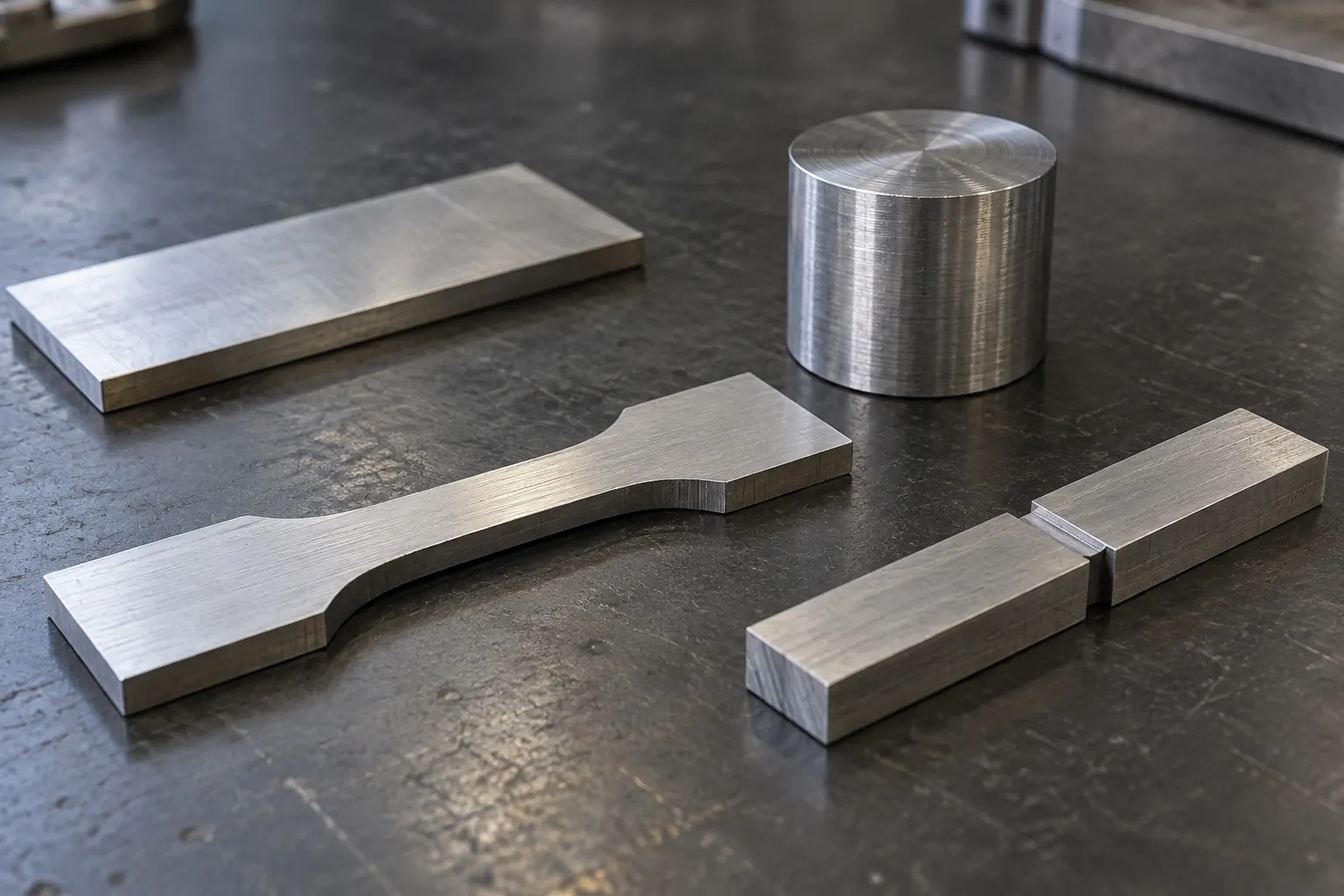
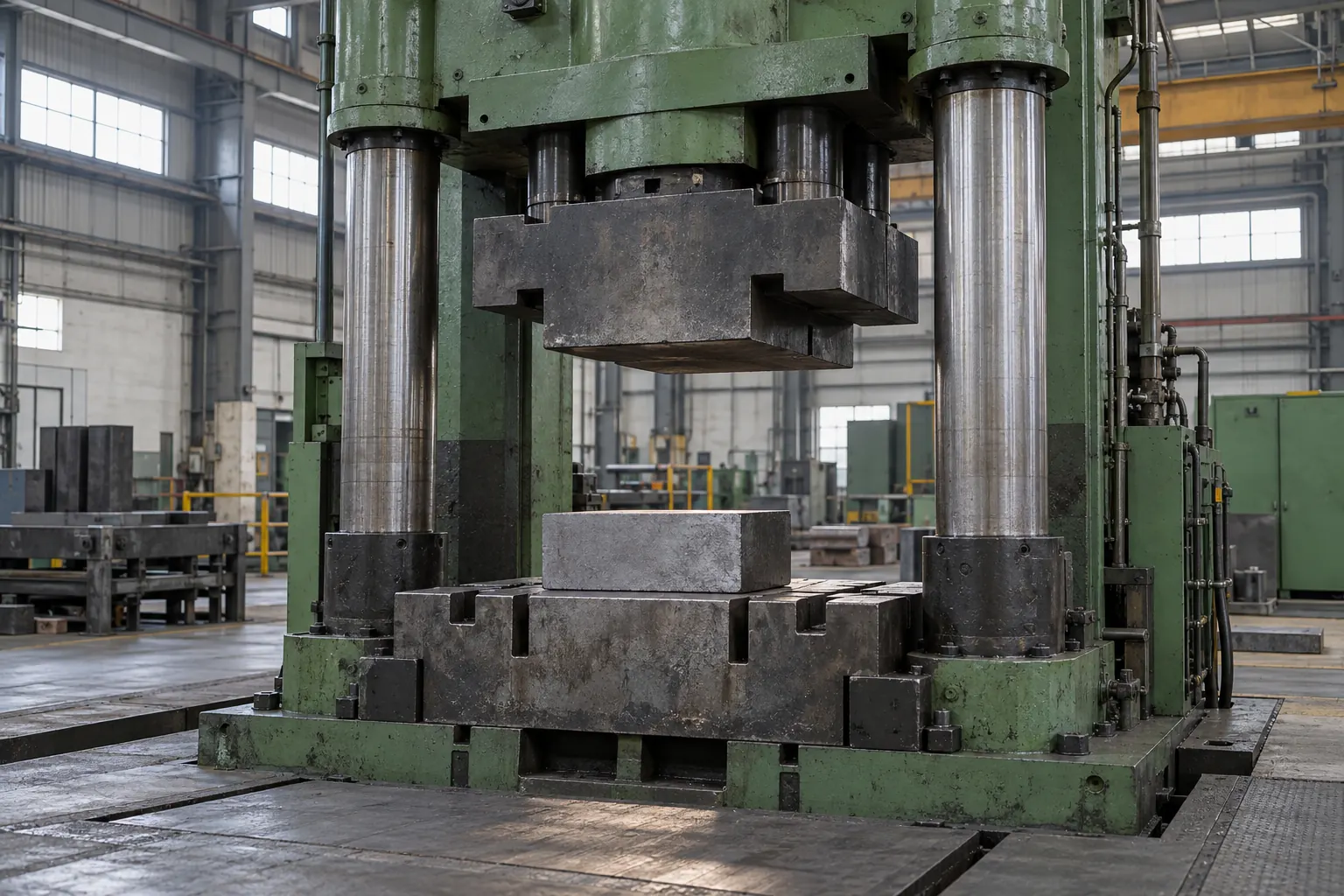
Kyoto Fusioneering (KF) and Daido Steel are moving a candidate fusion material toward component fabrication. In an October 7, 2026 announcement, KF reported cumulative melting of 200 kg of high-purity, low-activation vanadium alloy, alongside production of forged round bar and plate-form material. The partners are working to establish an integrated manufacturing process. KF announcement.
For international suppliers and investors, the significance lies in the connection between laboratory materials research and industrial processing. A usable blanket requires more than a promising alloy composition: manufacturers must turn that material into reproducible shapes, join them, and demonstrate that the resulting component meets its intended conditions.
What a blanket demands of its structure
A fusion blanket sits around the plasma and receives energetic neutrons from fusion reactions. Depending on its design, it must recover heat, breed the tritium fuel needed by a deuterium–tritium plant, and provide shielding. The structural material holds this assembly together while facing demanding thermal and irradiation conditions.
Vanadium alloys are one candidate in this broader materials effort. Their low-activation properties concern the radioactive products created by neutron exposure and how those products decay. Low activation does not mean that no radioactivity is produced. NIFS describes both this materials work and the engineering functions of blankets in its reactor research overview.
A manufacturing announcement therefore answers a different question from a reactor-lifetime demonstration. It establishes progress toward making material; it does not establish long-term performance in an operating fusion power plant.
Purity matters for fabrication as well as performance
Japan's National Institute for Fusion Science (NIFS) provides important research context. KF says its collaboration with Professor Takuya Nagasaka's group has helped develop knowledge of material requirements and evaluation methods. NIFS carried the industrial announcement on October 9; that publication should not be mistaken for an independent qualification report on the new products.
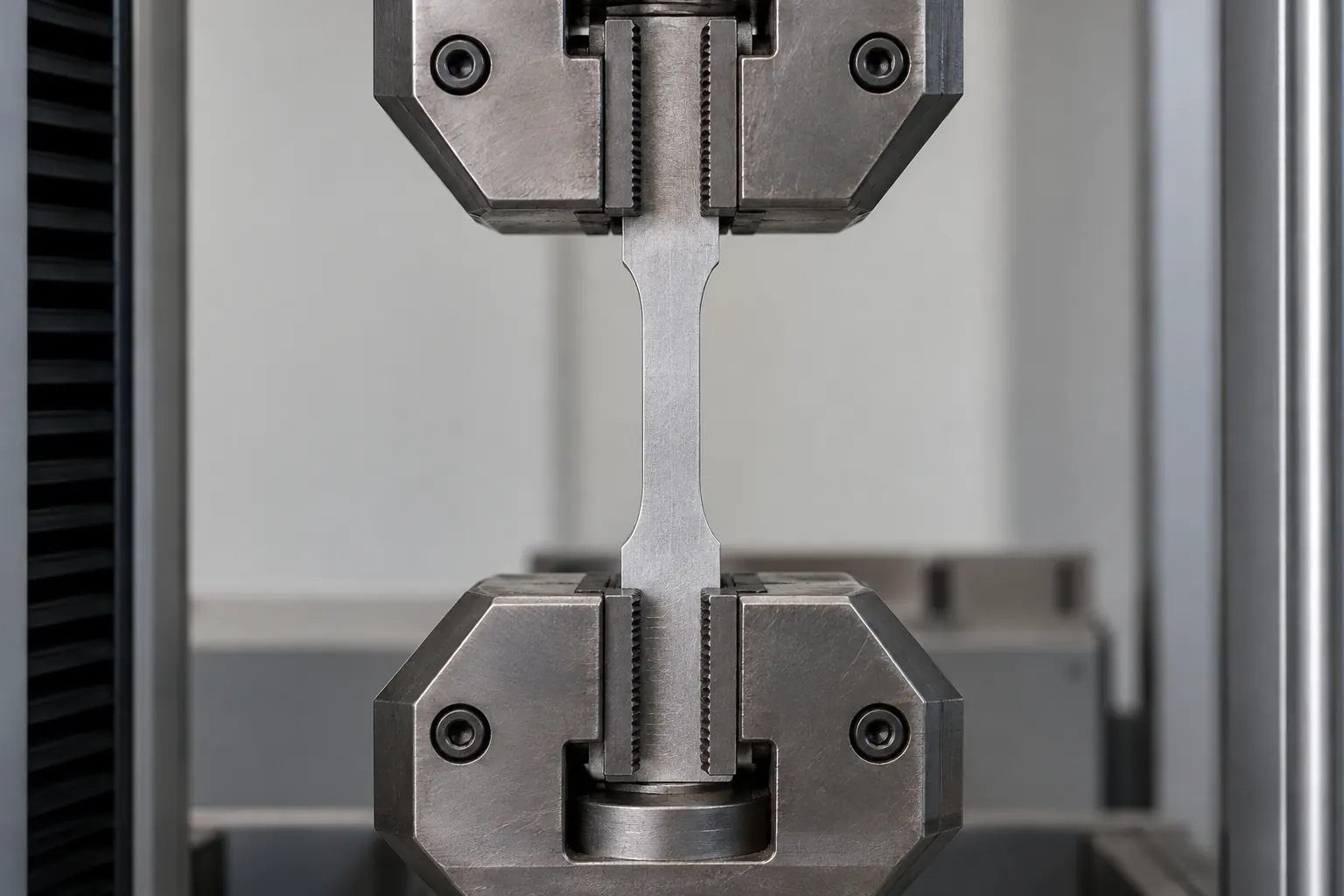
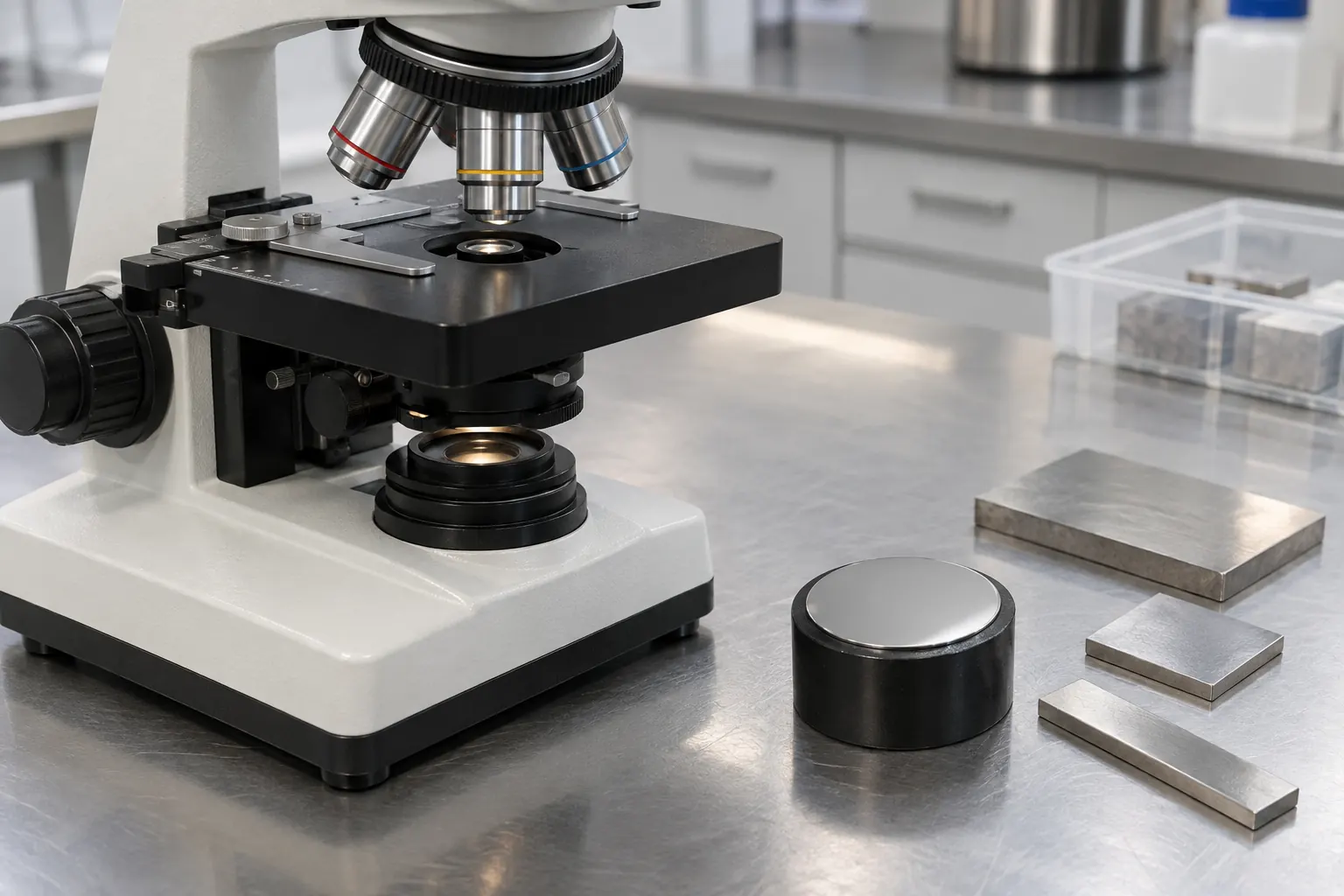
Earlier NIFS work explains why purity matters. Its June 27, 2018 research report linked cracking during fabrication and after welding to impurities including carbon, nitrogen and oxygen. The high-purity NIFS-HEAT-2 material showed improved ductility while retaining strength under the reported high-temperature test conditions.
That history makes the manufacturing challenge easier to understand, but it is not a blanket certification for every subsequent batch. Chemistry, processing history, specimen geometry and test conditions must be matched before an earlier result can support a new application. A materials customer needs evidence for the product actually being purchased.
Separate the 200 kg result from the 70 kg delivery plan
The announcement's quantities describe different stages. The 200 kg figure is cumulative melted material, not the mass of delivered blankets. Initial processed products had been completed by August 2026. About 70 kg was planned for delivery to KF, which intended to machine and join material and begin producing a blanket mock-up around 2027. A mock-up is a development article used to investigate construction and engineering questions; it is not a generating reactor.
The source does not establish that the planned delivery has been completed, that series production has been contracted, or that a commercial reactor has adopted the material. Those distinctions are essential when comparing supplier announcements across countries: output, shipment, component fabrication and customer qualification are different achievements.
Where materials suppliers can contribute
The collaboration combines Daido's metal-manufacturing capabilities with KF's plant-design and materials-specification knowledge. It offers a concrete example of how an established Japanese industrial company can participate in fusion without developing an entire reactor.
Our assessment is that potential suppliers should define their contribution by process: melting, forming, machining, joining or evaluation. A machining proposal, for example, becomes more useful when it identifies how the material will be inspected after processing and what records will accompany it into the joining stage.
Component fabrication also introduces interfaces that a standalone specimen cannot capture. Joints, repeatedly heated regions and fluid-contact surfaces create distinct evaluation questions. Agreeing who performs each test, how results return to the designer, and what triggers rework helps connect the materials business to the equipment business. These are editorial considerations, not disclosed terms of this collaboration.
The next evidence to watch
Useful follow-up evidence would include delivery confirmation, the start of mock-up fabrication and repeatable quality across subsequent production. The announcement does not establish price, sustained production capacity or customer-specific acceptance conditions.
Nor does progress with vanadium eliminate competing material approaches. Blanket requirements depend on the chosen design and operating environment. The industrial milestone is a more tangible route from research material to fabricated hardware, with further validation still ahead.
Sources & verification
- Kyoto Fusioneering: vanadium alloy manufacturing collaboration with Daido Steel (October 7, 2026)
- NIFS: announcement of the KF–Daido vanadium collaboration (October 9, 2026)
- NIFS: developing vanadium alloys for fusion reactors (June 27, 2018)
- NIFS/SOKENDAI: reactor materials and blanket research
Information verified: 2026-10-13
Primary sources read on October 18, 2026. The 200 kg quantity is cumulative melting; about 70 kg is a planned delivery, and mock-up fabrication around 2027 is a plan. NIFS republishes the industrial announcement; this is not independent verification of the new material. Earlier NIFS-HEAT-2 results are background, not qualification of current batches. Supplier implications are editorial analysis.
Saved to the same reader account as the Japanese edition. Sign-in and saved-item screens use a Japanese interface.