Sample Fusion manufactures vacuum piping and connecting components for fusion experiments
Sample Fusion is a fictional company that designs and manufactures vacuum piping, flanges, and instrument mounts. It checks customer drawings and operating requirements, then handles design, machining, assembly, inspection, and delivery.
The company designs and manufactures vacuum piping and connecting components
Sample Fusion is a fictional company that designs and manufactures vacuum piping and connecting components for fusion experimental equipment. Working for research institutions and experimental equipment manufacturers, it produces metal piping that connects equipment, connecting flanges, and ports for mounting instruments. It also supplies small vacuum chambers and frames that support components.
A flange is a projecting rim used to connect piping or equipment with bolts or similar fasteners. A port is an opening for attaching piping or instruments. Rather than selling complete fusion reactors, the company supplies components used to assemble experimental equipment.
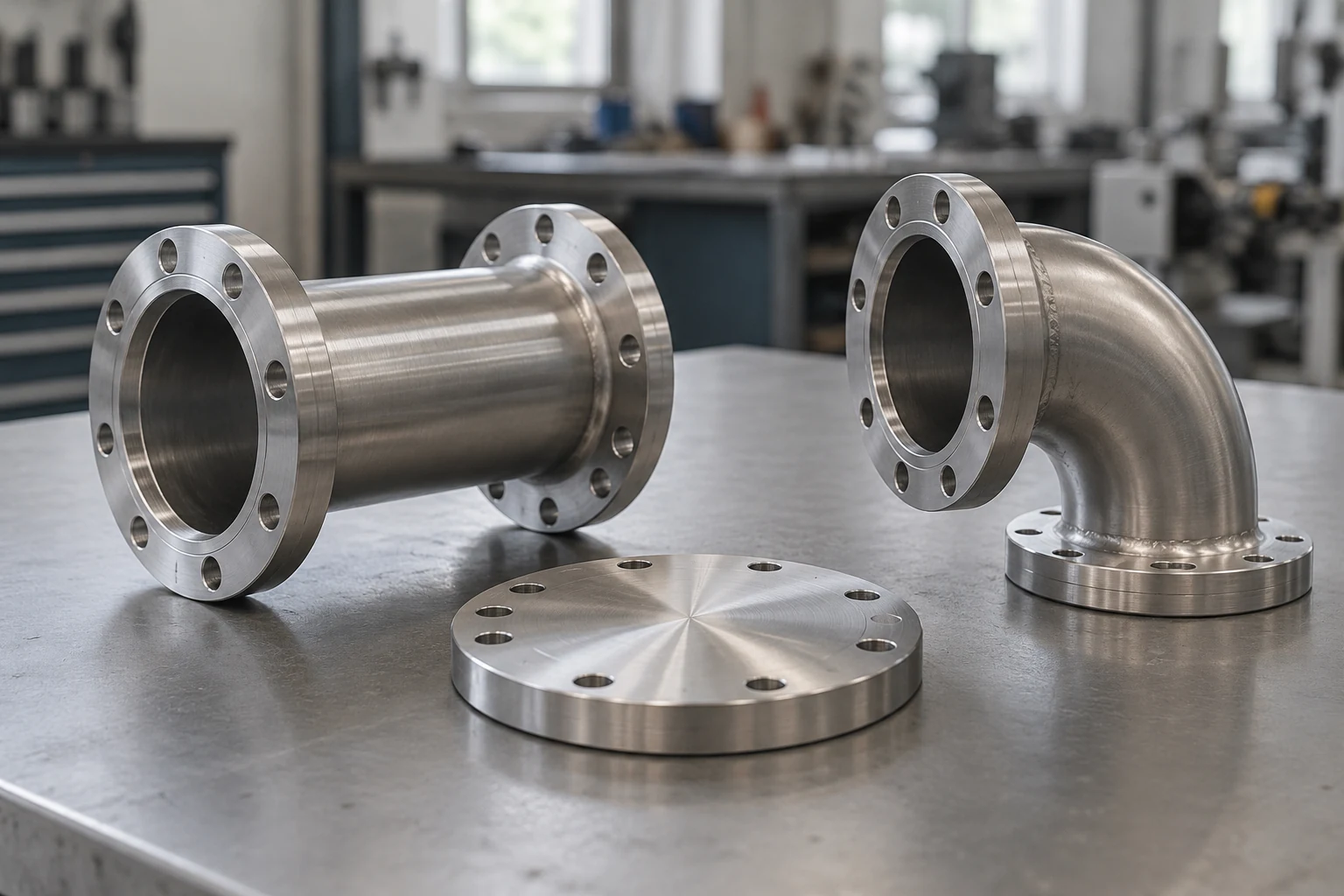
Connecting a new instrument to existing equipment
When a research team adds an instrument to existing equipment, for example, the two interfaces may not match. The company checks drawings of both and designs a connecting component to fit between them. It checks the mounting orientation, required length, and distance from surrounding piping, and adds the dimensions to the component drawing.
Matching the geometry is not enough. The company also checks whether tools can reach the bolts, cables can be routed, and the instrument can be removed for inspection. Manufacturing staff review the drawings to determine machining methods and assembly procedures. If changes are needed, the drawings are revised only after confirmation from the customer.
From request to delivery
First, the company asks the customer about the intended use, drawings of the equipment to be connected, installation location, temperature and pressure conditions, and required inspections. Unresolved requirements are listed, and responsibility for checking them is assigned. Next, the scope of manufacturing and the deliverables are agreed, and a quotation and manufacturing drawings are provided.
Machining and assembly begin after drawing approval. Any changes to dimensions or geometry during production are recorded, along with their reasons. Once manufacturing is complete, the agreed inspections are performed, and the components and inspection records are delivered. Design, manufacturing, and inspection staff use the same drawing revision to prevent production from proceeding with outdated drawings.
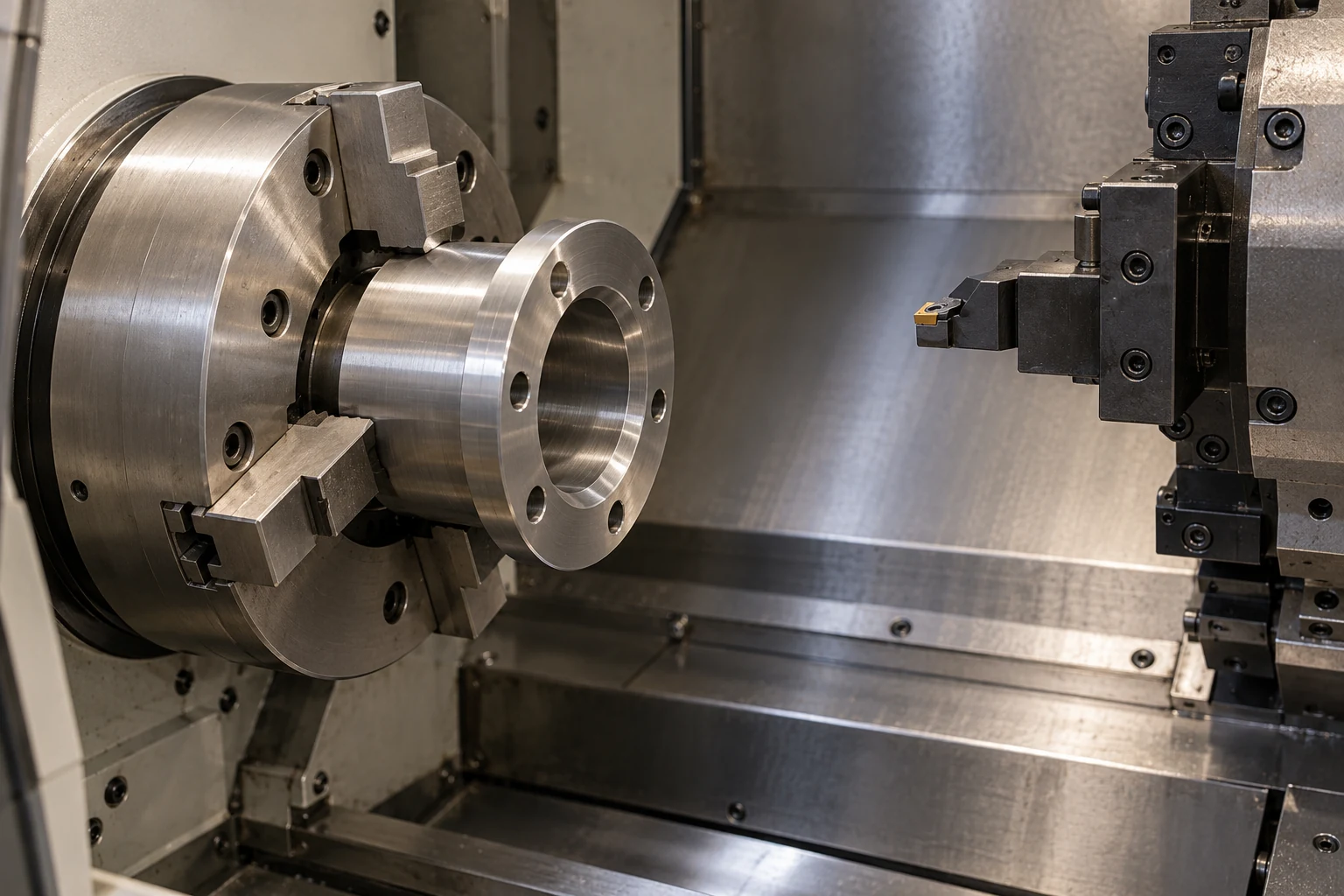
Delivery includes components, drawings, and inspection records
Delivery includes the finished components, agreed drawings, material documentation, dimensional inspection records, and handling precautions. The required documents are agreed before the order is placed. The customer uses these records to check the dimensions of the delivered components and the items already verified, then proceeds with installation.
If leak testing is required, its scope, method, conditions, and acceptance criteria are agreed in advance. Testing a component on its own is separate from checking it after installation in the equipment. The company provides the results and states what has been verified. The fact that a test has been performed does not guarantee performance under all operating conditions.
Drawings are updated for changes after prototyping
After a prototype component is installed, changes may be needed to the direction of piping or the position of an instrument. The company confirms the requested changes with the customer, checks their effect on the surrounding equipment, and then redesigns the component. Updated drawings are used for remanufacturing, and changes from the previous version are recorded.
A consultation requires the intended use, information about the equipment to be connected, current drawings, and required inspections. Even if drawings are incomplete, work can begin by identifying the unresolved items. However, the products introduced here do not establish suitability for radiation environments or facilities handling tritium. Suitability and safety requirements must be checked separately for each operating environment.
This example uses a fictional company and illustrative scenarios. It is not a real client case, an actual interview, or an open job vacancy.
Discuss a feature for your company →